...

Blog

Home Blog

Top 10 Eco Friendly Packaging Materials in China

Choosing eco friendly packaging materials in China involves more than replacing plastic with paper. A tea box in Hangzhou, a meal container in Chengdu, and a shipping mailer for an online order face different needs. Each must protect its contents, suit the supply chain, and make sense after use. That matters.

This guide examines ten material options, including recycled paper, molded pulp, bamboo, bagasse, and selected compostable materials. It compares their practical strengths, common limitations, and suitable uses rather than treating any one choice as a perfect solution. A material’s environmental value depends on its source, production, transport, and local disposal options. Compostable packaging, for example, may not break down as intended without suitable facilities. Not every option fits.

For buyers and product teams, useful questions include whether packaging resists moisture, survives delivery, and can be collected or processed where customers live. Suppliers should provide clear specifications and evidence for environmental claims; vague labels are not enough. Even then, published data may not capture every local condition. This overview offers a starting point, not a substitute for checking samples, supplier records, and the requirements of a specific product. Some trade-offs remain. That is worth admitting.
Top 10 Eco Friendly Packaging Materials in China

How Eco-Friendly Packaging Materials Are Assessed in China

Assessing eco-friendly packaging in China requires more than checking whether a material is labeled recyclable or biodegradable. China’s GB/T 16716.1 standard sets general environmental requirements for packaging, while GB/T 24040 and GB/T 24044 provide life-cycle assessment principles and guidance. Together, they point evaluators toward the full journey: raw materials, production energy, transport, use, and end-of-life handling. A paper mailer may look greener, yet its coating or adhesive can complicate recycling. Small details matter.

The OECD’s Global Plastics Outlook (2022) estimates that packaging generated 40% of global plastic waste in 2019, about 142 million tonnes. That scale makes real-world recovery essential to any comparison.

In China, assess whether local sorting and recycling systems can handle the package, not just whether a laboratory test shows recyclability. Compare materials serving the same function, and record weight, recycled content, water and energy use, and disposal routes.

Compostable packaging needs scrutiny too: access to suitable collection and treatment varies by place. There is no perfect score. Even a careful assessment can miss changing local infrastructure or consumer behavior.
Recycled Paper, Molded Pulp, Bamboo, and Bagasse Packaging

Top 10 Eco Friendly Packaging Materials in China

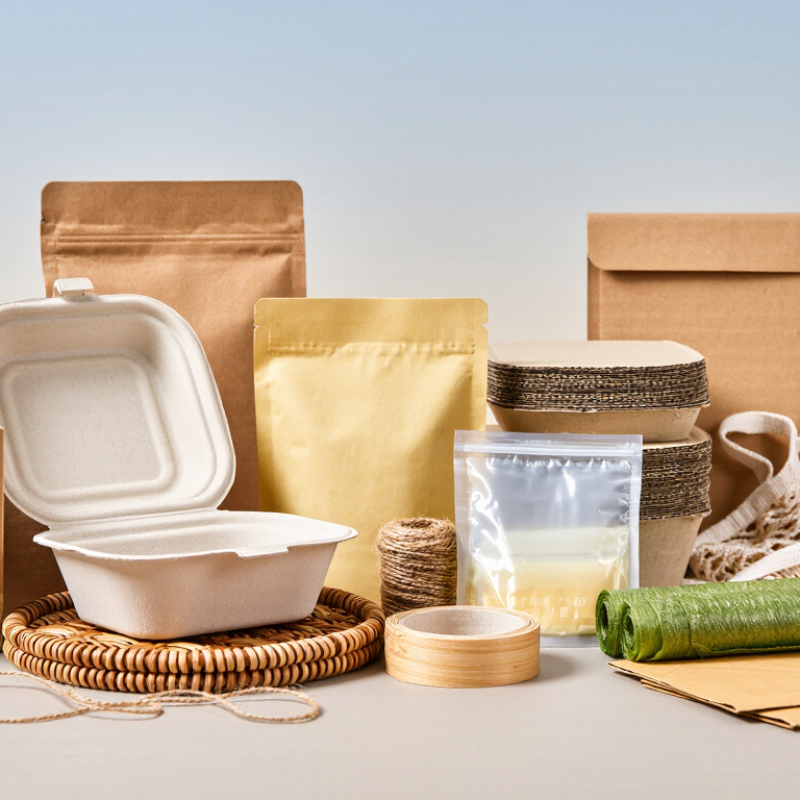
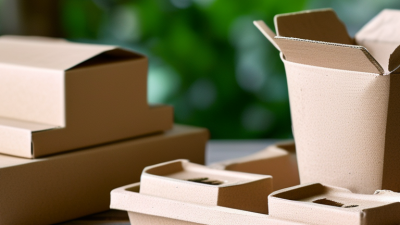
Recycled paper, molded pulp, bamboo, and bagasse offer practical options for packaging in China. Recycled paper works well for cartons, sleeves, and cushioning when products are light and dry. Its strength can vary with fiber quality and recycled content. Molded pulp protects fragile goods with shaped compartments, such as a snug tray around a glass jar. Check samples for compression and moisture resistance before ordering. A neat sample is not always a reliable test.

Bamboo can suit rigid boxes, trays, or reusable containers, but its environmental impact depends on processing, coatings, and transport. Bagasse, made from sugarcane residue, is often formed into food trays and bowls. It can handle everyday serving needs, though hot liquids or oily foods may affect performance. Compostable does not mean it will break down in every local waste system. Material choice matters.

Tips: Ask suppliers for clear material specifications and test packaging with your actual product. Check seams, corners, and labels after handling and storage. Keep coatings minimal where possible. Also ask what collection or recycling options exist near your customers. The best choice may be less obvious than it looks.

Top 10 Eco-Friendly Packaging Materials in China: Recycled Paper, Molded Pulp, Bamboo, and Bagasse Packaging

This category-based overview highlights common material options and practical end-of-life considerations. The ranking is editorial, not a quantified life-cycle assessment; actual environmental performance depends on sourcing, packaging design, transport, and local collection facilities.

No. Material Typical feedstock Common packaging formats Potential advantages End-of-life and practical considerations
1 Recycled paper and paperboard Recovered paper fibers collected from post-consumer or manufacturing waste Folding cartons, paperboard sleeves, inserts, mailers, and paper bags Uses recovered fiber and can reduce demand for virgin pulp when recycled content replaces new fiber. Generally suited to paper recycling when clean and dry. Food residue, plastic lining, wet-strength treatments, and mixed-material components can limit recovery. Fibers cannot be recycled indefinitely and may need some virgin fiber in the system.
2 Molded pulp Recycled paper, recovered cardboard, or plant fibers such as bagasse Protective trays, cushioning inserts, egg cartons, and produce or food-service trays Can replace some plastic protective components and is shaped to hold products securely. Clean, uncoated pulp may be recyclable with paper or compostable in suitable systems, depending on its composition and local rules. Coatings, additives, and food contamination affect disposal options.
3 Bamboo-based packaging Bamboo fibers, strips, or pulp from harvested bamboo Rigid containers, trays, paper products, and protective or decorative components Bamboo is a fast-growing grass and can be used as a renewable fiber source when responsibly managed. “Bamboo” does not by itself guarantee a low-impact product. Processing, energy use, transport, adhesives, coatings, and whether the item is a fiber product or a composite all affect its footprint and recyclability.
4 Bagasse fiber Fibrous sugarcane residue remaining after juice extraction Molded food trays, bowls, clamshell containers, and protective inserts Uses a by-product of sugar processing and can be formed into rigid packaging without relying solely on wood fiber. Some products are designed for composting, but acceptance depends on local facilities and product certification. Linings, coatings, food residue, and additives can change disposal options; check local guidance.
5 Corrugated cardboard Paper liners and a fluted paper layer, often containing recycled fiber Shipping cartons, product boxes, dividers, and protective packaging Lightweight for its protective strength, widely used for transport, and commonly collected as paper packaging when clean and dry. Keep dry and remove non-paper components where practical. Grease, heavy food contamination, plastic laminates, and excessive tape can reduce recycling quality.
6 Kraft paper Paper pulp made using the kraft pulping process; may be virgin, recycled, or blended fiber Shopping bags, wrapping paper, pouches, and outer cartons Can provide a simple paper-based format and is available in recycled-fiber grades. Kraft describes a pulping process, not recycled content. Paper is generally recyclable when clean and uncoated; plastic windows, foil layers, and barrier coatings may complicate recovery.
7 Reusable glass Silica-based glass, typically made with soda ash and limestone; recycled cullet may also be used Returnable bottles, jars, and refillable containers Can be washed and reused multiple times and is recyclable where glass collection and processing are available. Reuse benefits depend on return rates, washing, and transport distance. Glass is relatively heavy and breakable; colors and glass types may require sorting, and local collection access varies.
8 Aluminum Primary aluminum or recycled aluminum recovered from used products and manufacturing scrap Beverage cans, foil, trays, and closures Aluminum can be recycled repeatedly, and recycling it generally uses substantially less energy than producing primary aluminum from ore. Collection and sorting are essential. Thin foil contaminated with food may be harder to recover, while multi-material laminates are not equivalent to recyclable aluminum packaging.
9 Recycled PET (rPET) Recovered polyethylene terephthalate, commonly from used bottles and packaging scrap Bottles, trays, and protective or secondary packaging Using recycled PET can reduce demand for virgin PET resin and make use of collected plastic material. Recycling depends on collection, sorting, and material quality. Labels, colors, caps, and multilayer construction can affect processing; food-contact use must meet applicable requirements.
10 PLA and other compostable bioplastics Biobased feedstocks; PLA is commonly made from fermented plant-derived sugars or starches Selected cups, films, food-service items, and liners Some grades are designed for industrial composting and may be made partly or wholly from renewable feedstocks. Biobased does not automatically mean biodegradable in ordinary conditions. Industrial composting usually requires controlled conditions, and many recycling systems do not accept compostable plastics with conventional plastics. Verify local facility acceptance and product certification.

PLA, PHA, Starch-Based, and PBAT Packaging Materials

PLA, PHA, starch-based, and PBAT materials are common options in discussions of lower-impact packaging in China. PLA can provide a clear, rigid finish for cups and food containers. It may soften under high heat, though, and typically needs suitable industrial composting conditions to break down efficiently. Not a universal fix. Local collection access matters.

PHA is made by microorganisms and can biodegrade in certain environments, but the rate depends on the material and disposal conditions. Starch-based packaging often uses starch with other polymers, since pure starch can weaken when exposed to moisture. Picture a takeaway box holding a hot, oily meal: water resistance and strength matter as much as its feedstock. Buyers should test the actual pack, not just a sample sheet.

PBAT is flexible and is often blended with starch or PLA for bags and films. It is usually fossil-derived, so “compostable” does not automatically mean renewable or suitable for home composting. That matters. A careful specification should identify the full blend, intended use, and verified disposal route. It is tempting to rank materials by name alone, but real performance can change with thickness, food contact, storage, and local waste handling.

Top 10 Eco-Friendly Packaging Materials in China

Indicative bio-based content potential by material family (%)

Ranges are illustrative material-family estimates, not China market-share data or guarantees for individual products. Actual bio-based content depends on formulation, coatings, additives, and feedstock; PBAT and PBS may be fossil-based or partly bio-based.

Recycled PET and Reusable Glass Packaging

Recycled PET and reusable glass are practical options for China’s packaging supply chains, but neither is impact-free. The OECD’s Global Plastics Outlook (2022) estimates that only 9% of global plastic waste was ultimately recycled in 2019. That gap makes collection and sorting essential. Recycled PET works best when bottles are separated by color and kept free of food residue; contamination can lower material quality. For buyers, ask suppliers for traceable recycled-content documentation and check whether the material suits the product’s intended use. Small details matter.

Reusable glass offers a different route: refill the same container rather than remake it for every purchase. UNEP’s Turning off the Tap (2023) estimates that reuse systems could reduce global plastic pollution by 30% by 2040. That is a scenario, not a guarantee. Glass is heavy, so long delivery routes and low return rates can weaken its environmental case. A local return loop, sturdy crates, and convenient drop-off points help. The trade-off is real. Washing also uses water and energy, and losses happen. I would avoid claiming one material is always greener; compare actual reuse cycles, transport distance, and recovery rates.

Comparing Uses, Benefits, and Limitations in China

Top 10 Eco Friendly Packaging Materials in China

Comparing Uses, Benefits, and Limitations in China

China’s paper supply chain gives recycled paper and molded pulp broad potential for cartons, trays, and protective inserts. The China Paper Association reported 127.05 million tonnes of paper and paperboard production in 2023, against 131.65 million tonnes of consumption. These figures show scale, not recycled content. Recycled paper can weaken when wet; molded pulp also needs drying space and may deform under heavy loads. Bamboo fiber and bagasse use plant residues or fast-growing crops, but fiber consistency and transport distance affect their footprint.

For takeaway containers, bagasse tolerates moderate heat, though oily foods may need a lining. Bamboo-fiber packs are rigid, but coatings can complicate recovery. PLA suits clear cups and films, yet generally requires controlled industrial composting. Starch-based films can reduce fossil-plastic use, but humidity may soften them. Cellulose film offers transparency for dry goods; seaweed film is promising for small sachets, though moisture sensitivity limits use. Reusable woven bags work for repeated shopping, but only when customers reuse them. Mycelium cushioning can replace foam around fragile goods, though production time and moisture control remain hurdles. Some options sound better than they perform.

The OECD’s Global Plastics Outlook (2022) estimated packaging represented 40% of global plastic waste in 2019. That makes material choice consequential, but not simple. In China, collection access, food contamination, and local recycling capacity shape real outcomes. A paper box with a plastic barrier may be difficult to recycle; a compostable label alone does not guarantee composting. Test packs with actual products, including condensation, grease, and delivery vibration.

Need Packaging Solutions?

Get Free Estimate!

1-800-493-7441
Contact Us