As environmental concerns grow, businesses are turning to eco friendly packaging materials. These materials not only reduce waste but also appeal to conscious consumers. In 2026, the demand for sustainable options will increase. Companies strive to make a positive impact on the planet while remaining competitive.
Choosing the right eco friendly packaging can be challenging. There are various options available, each with unique properties and costs. Businesses must weigh their choices carefully. The search for the perfect solution often reveals the complexities of sustainability. While some materials are biodegradable, others may not perform well under specific conditions.
Ultimately, adopting eco friendly packaging materials is a journey. Companies may need to reassess their strategies along the way. Mistakes will happen, and adaptations will be necessary. This ongoing process is crucial for fostering long-term environmental responsibility in the business sector.
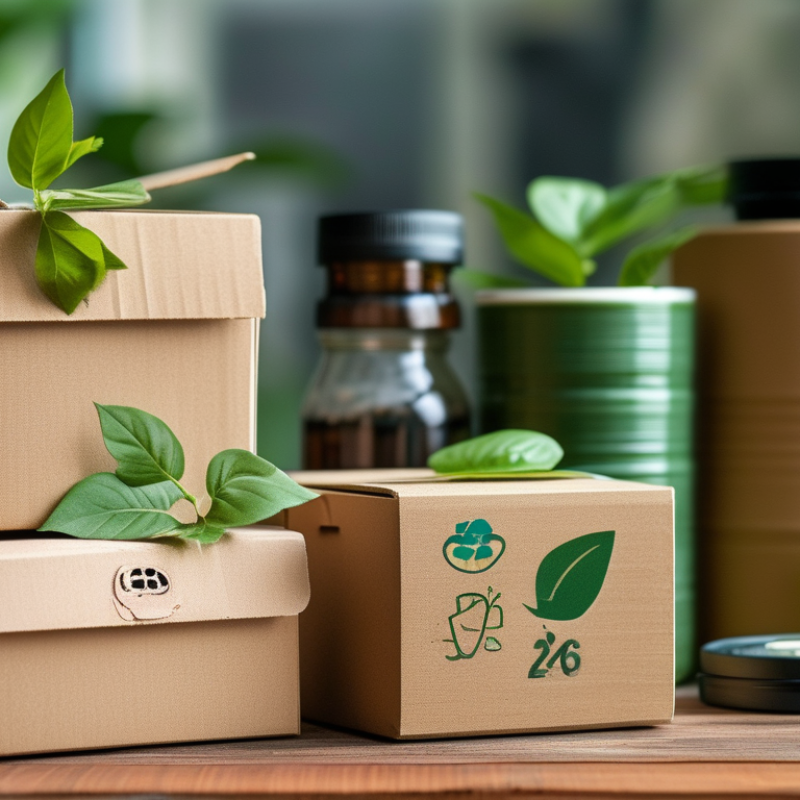
Eco-friendly packaging is essential for sustainable business practices. It involves materials that minimize environmental impact. These packaging solutions are more than just trendy; they represent a commitment to responsible consumption. Customers are increasingly seeking brands that prioritize sustainability. This shift reflects a broader societal change towards valuing eco-friendly practices.
Tips: Consider biodegradable materials. They decompose more readily than traditional plastics. Using recycled materials also helps reduce waste. Assessing your packaging's lifecycle is important, focusing on every stage from production to disposal.
The importance of eco-friendly packaging goes beyond aesthetics. It contributes to brand reputation and customer loyalty. Companies that adopt sustainable practices often see improved public perception. However, transitioning can be challenging. Balancing cost and sustainability may not always yield immediate results. Some businesses struggle to find reliable suppliers or alternatives to conventional materials. It's crucial to stay informed and adapt continuously.

As businesses strive to become more sustainable, eco-friendly packaging materials are increasingly in demand. In 2026, several innovative materials stand out for their potential to reduce environmental impact. According to research from Smithers Pira, the market for sustainable packaging is expected to reach $500 billion globally by 2024, demonstrating a significant shift toward more responsible practices.
Biodegradable plastics, made from renewable resources, are projected to account for 25% of the market in the coming years. These materials break down more quickly than traditional plastics, mitigating pollution. Additionally, compostable packaging options are gaining traction, driven by consumers' growing preference for waste reduction. Over 70% of consumers indicate a willingness to pay more for sustainable options.
However, not all eco-friendly materials are perfect. Many biodegradable options still require industrial conditions to decompose fully. This highlights the need for better labeling and consumer education to avoid misconceptions. The journey toward truly sustainable packaging is ongoing, demanding innovation and reflection on current practices. As companies seek to align with these trends, the focus must remain on genuinely effective solutions rather than mere marketing tactics.
| Material Type | Description | Sustainability Features | Common Applications |
|---|---|---|---|
| Biodegradable Plastics | Plastics that decompose naturally in the environment. | Compostable, reduces landfill waste. | Retail bags, food packaging. |
| Recycled Paper | Paper made from post-consumer waste. | Reduces deforestation, lower energy use. | Boxes, bags, wrapping paper. |
| Plant-Based Inks | Inks derived from natural sources. | Non-toxic, less environmental impact. | Printing on boxes, labels. |
| Mushroom Packaging | Biodegradable packaging made from mycelium. | Compostable, renewable resources. | Protective packaging for fragile items. |
| Cornstarch Packaging | Bioplastic packaging made from cornstarch. | Biodegradable, low carbon footprint. | Containers, bags for food products. |
Sustainable packaging is more than just a trend. It provides numerous benefits for both businesses and the environment. Using eco-friendly materials can significantly reduce waste. This shift helps decrease the amount of plastic in landfills and oceans. More than 300 million tons of plastic waste are generated each year. The commitment to using sustainable packaging can position a business as a leader in environmental responsibility.
For businesses, adopting sustainable packaging can improve brand loyalty. Consumers today prefer brands that prioritize the planet. Eco-friendly packaging often attracts a younger demographic. They value transparency and are willing to support companies aligned with their values. However, transitioning to sustainable materials may require an initial investment. Some businesses might find it challenging to source the right materials at scale. It's crucial to look for reliable suppliers who share the same commitment.
Sustainability is not just about materials. It also involves reducing the overall environmental impact during production. Businesses must consider the entire lifecycle of their packaging. This includes its production, distribution, and disposal. Regularly reassessing strategies can lead to more efficient and sustainable practices. While challenges exist, the benefits for the planet and the brand are undeniable. It’s a journey worth taking, despite the obstacles.
The landscape of eco-friendly packaging is rapidly evolving. Innovative designs are emerging, reshaping how products are delivered. Startups and established companies alike are adopting sustainable materials. This transition is driven by growing consumer demand for environmentally responsible options. For instance, materials like mushroom mycelium and plant-based plastics are gaining traction. They offer biodegradable alternatives to traditional packaging.
Tips: Consider the lifecycle of your packaging. Investigate local sources for materials. This reduces carbon emissions during transportation. Always look for certifications that affirm sustainability claims.
Another trend is the integration of smart technology into packaging. Features like QR codes and NFC tags enhance user engagement. They provide information on recycling and product details. While it's exciting, ensuring the longevity of electronic features can be challenging. Companies must balance innovation with practicality.
Tips: Test your technology in real-world scenarios. Solicit feedback from users. Reflect on how improvements could make the packaging better. Using feedback loops can lead to more effective designs.
Sustainable packaging is gaining traction among companies worldwide. Many organizations are integrating eco-friendly materials to reduce their environmental footprint. One notable example involves a company that transitioned to biodegradable packaging. They shifted from traditional plastics to plant-based options. This decision not only minimized waste but also enhanced brand loyalty among environmentally-conscious consumers.
Another illustrative case study involves a business that introduced reusable packaging. Customers received products in durable containers designed for multiple uses. This innovation reduced packaging costs and encouraged customers to return the containers for discounts. The initial reaction was mixed; some customers found the practice cumbersome. However, over time, this change fostered a sense of community and responsibility.
Many companies have witnessed benefits beyond cost savings. Increased consumer awareness of sustainability has led to a surge in demand for eco-friendly options. However, not all efforts have succeeded. Some businesses faced challenges in sourcing sustainable materials, resulting in delays and increased costs. Yet, these experiences foster necessary conversations about continual improvement in packaging processes and innovation.
This chart displays the popularity of different eco-friendly packaging materials being utilized by various sustainable businesses in 2026. The data reflects the estimated percentage of companies adopting each material for their packaging solutions.
Get Free Estimate!