...

Blog

Home Blog

What Is Hydrolyzed Collagen and What Are Its Benefits?

Hydrolyzed Collagen is collagen that has been broken into smaller peptides through enzymatic processing. These shorter chains are easier to mix into water, coffee, or smoothies. The powder usually has a mild taste, although some products leave a noticeable aftertaste.

Collagen naturally supports skin, cartilage, bones, and connective tissues. Research suggests that regular Hydrolyzed Collagen intake may modestly improve skin hydration and elasticity. Some studies also report reduced joint discomfort during exercise. The effects are not dramatic for everyone. Results can depend on dosage, product quality, age, diet, and overall health. A smoother-looking complexion may reflect several habits, not collagen alone.

Evidence matters here. Laboratory findings are promising, but commercial claims sometimes move faster than clinical research. Hydrolyzed Collagen is not a complete protein because it lacks enough of certain essential amino acids. It should complement, not replace, varied protein sources. Vitamin C, adequate calories, sleep, and resistance exercise may also support normal collagen production. Small details count.

Choosing a reputable product requires careful reading. Look for clear ingredient lists, batch testing, and realistic serving information. People with allergies should check the source, such as bovine, porcine, or marine collagen. Pregnancy, kidney concerns, medication use, or persistent joint pain deserves professional guidance. Supplements are not magic. They are one possible tool within a broader health plan. This guide explores how Hydrolyzed Collagen works, what benefits have credible support, and where uncertainty remains. Expect useful evidence, not exaggerated promises.
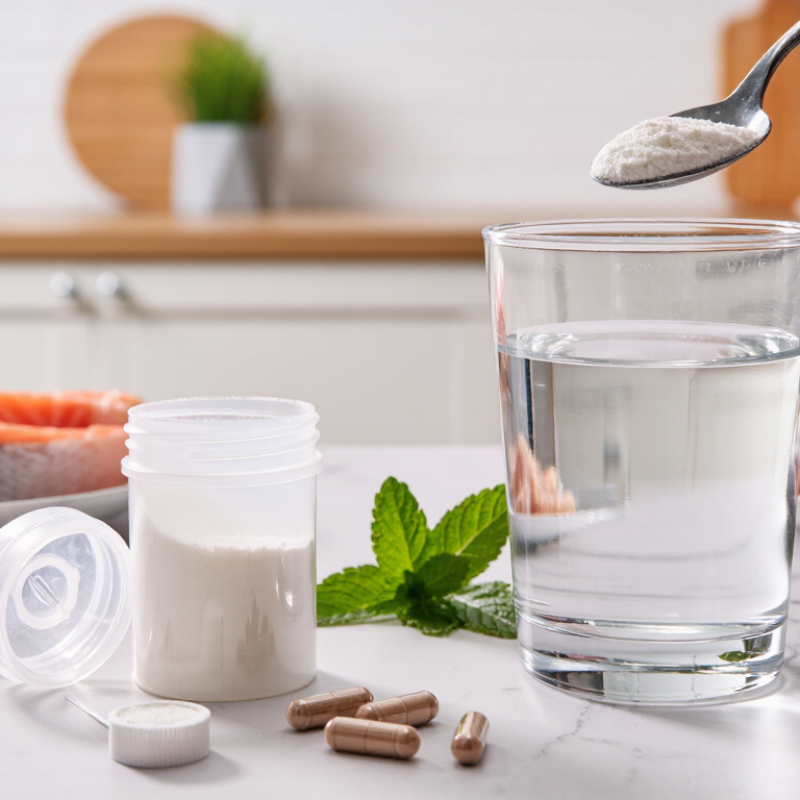
What Is Hydrolyzed Collagen and What Are Its Benefits?

Definition and Basic Structure of Hydrolyzed Collagen

Hydrolyzed collagen is collagen protein broken into smaller chains called peptides. This process usually uses water and enzymes to split large molecules into shorter pieces. The result is often called collagen peptides. Unlike intact collagen, these peptides dissolve more easily in liquids and are gentler to digest.

Collagen naturally contains abundant glycine, proline, and hydroxyproline. These amino acids help form its distinctive three-stranded structure before hydrolysis. Imagine a tightly coiled rope becoming many shorter threads. The basic material remains collagen, but its size and shape change. It usually does not form the firm gel associated with traditional gelatin.

This structure may explain its practical uses. Smaller peptides can pass through digestion more readily, although absorption does not mean automatic results. Research suggests possible support for skin moisture, elasticity, and joint comfort. Evidence varies by product, dose, study length, and participant health. Claims should stay modest.

A warm drink often hides the powder well. Cold water can work, but mixing may take longer. The label can still feel confusing. “Hydrolyzed” describes processing, not guaranteed quality or a proven medical effect. Protein source, testing standards, allergies, and total dietary intake also matter. I would not treat collagen peptides as a replacement for balanced meals or clinical care.

How Hydrolyzed Collagen Is Produced

Hydrolyzed collagen is collagen broken into smaller peptides through controlled enzymatic hydrolysis. Manufacturers usually begin with cleaned bovine, porcine, or marine connective tissues. These materials are treated with water and food-grade enzymes. Heat, filtration, concentration, and drying follow. The result is a soluble powder with reduced molecular size.

Hydrolysis does not create new collagen inside the body. It improves dispersibility and digestion. A 2021 review in Materials Science and Engineering: C reported that collagen peptides commonly fall below 5 kilodaltons, although processing conditions create variation. The process is not perfectly uniform. Enzyme type, temperature, pH, and raw-material quality all influence peptide profiles.

Quality control should examine moisture, protein content, heavy metals, microbiological safety, and source traceability. The Global Collagen Market Report by Grand View Research estimated the collagen market at about 9 billion US dollars in 2022, reflecting strong demand for processed collagen ingredients. However, market growth does not prove every health claim. Evidence suggests collagen peptides may support skin hydration and elasticity, while joint benefits appear more modest and study-dependent. Some studies also use different doses and durations, making direct comparisons difficult. That detail matters.

A credible producer should document each batch, not rely only on attractive packaging claims. Consumers should also check allergen information and the animal or marine source. Evidence is promising, but it remains incomplete.

What Is Hydrolyzed Collagen and What Are Its Benefits? - How Hydrolyzed Collagen Is Produced
Data Dimension Key Information Practical Significance
Definition Hydrolyzed collagen, also called collagen peptides, is collagen that has been broken down into shorter peptide chains through controlled enzymatic hydrolysis. The smaller peptides generally dissolve more easily and are more convenient to use in foods and beverages than intact collagen.
Original Protein Collagen is a structural protein naturally found in connective tissues, including skin, bones, cartilage, tendons, and ligaments. Its biological role is closely associated with the strength, structure, and flexibility of connective tissues.
Common Raw Materials Production commonly uses purified connective-tissue materials from animal sources such as bovine, porcine, or marine tissues. The source can affect dietary suitability, allergen considerations, religious or ethical acceptability, and labeling requirements.
Typical Collagen Types Type I collagen is generally predominant in skin, bone, and tendon, while Type II is associated mainly with cartilage. The type depends on the raw material. Different collagen types have different tissue distributions, although hydrolyzed products are usually discussed as peptide mixtures rather than intact fibers.
Characteristic Amino Acids Collagen peptides are especially rich in glycine, proline, and hydroxyproline. They are not considered a complete protein because they are relatively low in some essential amino acids, including tryptophan. Hydrolyzed collagen can contribute protein and specific amino acids, but it should not automatically replace a varied dietary protein supply.
Step 1: Raw Material Preparation Connective-tissue material is cleaned, sorted, and treated to remove unwanted fats, minerals, pigments, and non-collagen proteins. Effective preparation helps improve purity, consistency, taste, and the quality of the final peptide ingredient.
Step 2: Collagen Extraction Prepared material is processed using controlled water, acid, alkaline, or enzymatic treatments to release collagen from the tissue structure. Processing conditions influence yield, molecular structure, and the properties of the extracted collagen.
Step 3: Enzymatic Hydrolysis Food-grade enzymes cleave the long collagen protein chains into shorter peptides. The process is controlled by factors such as temperature, pH, enzyme selection, and processing time. This step creates collagen peptides with improved solubility and dispersibility compared with many forms of non-hydrolyzed collagen.
Step 4: Purification and Concentration The hydrolyzed solution may be filtered, clarified, concentrated, and tested to remove unwanted residues and standardize the ingredient. Purification supports consistent quality and helps control moisture, mineral content, microbial levels, and other specifications.
Step 5: Drying and Quality Control The liquid peptide solution is commonly dried into a powder, followed by testing for identity, purity, moisture, microbiological safety, and contaminants. A finished powder is easier to store, transport, measure, and incorporate into food or supplement formulations.
Solubility Hydrolyzed collagen peptides are generally more water-soluble than intact collagen and can dissolve in a range of hot or cold liquids, depending on formulation. Improved solubility makes them suitable for beverages, nutrition products, and powdered formulations.
Digestive Breakdown After consumption, collagen peptides are further digested into smaller peptides and amino acids. Some collagen-derived peptides can be detected in the bloodstream for a limited period after ingestion. Digestion and absorption do not mean that the consumed collagen is deposited unchanged into a specific body tissue.
Potential Skin Benefit Human studies suggest that regular intake of collagen peptides may provide modest improvements in skin hydration and elasticity in some adults. Results vary by study design, product composition, dosage, duration, age, and individual characteristics. Collagen is not a guaranteed treatment for wrinkles.
Potential Joint Benefit Some clinical research indicates that collagen peptide supplementation may help reduce exercise-related joint discomfort or support joint function in certain people. Evidence is promising but not conclusive, and collagen peptides should not replace medical assessment or treatment for joint disease.
Bone-Related Research Preliminary human research has examined collagen peptides in relation to bone turnover and bone mineral density, particularly when combined with adequate calcium, vitamin D, and exercise. More high-quality, long-term research is needed before firm conclusions can be made about osteoporosis prevention or treatment.
Muscle and Exercise Support Collagen provides protein but contains relatively little leucine compared with many complete proteins. Research on muscle or tendon adaptation often involves collagen intake together with resistance or loading exercise. For muscle protein synthesis, collagen is generally not a substitute for higher-quality complete protein sources such as dairy, eggs, meat, fish, soy, or appropriately combined plant proteins.
Typical Use Hydrolyzed collagen is commonly mixed into water, coffee, smoothies, soups, yogurt, or other foods, according to the product's preparation instructions. It is usually selected for convenience, neutral flavor, and ease of incorporation into daily diets.
Safety Considerations Collagen peptides are generally well tolerated when used as directed, but some people may experience digestive discomfort or have sensitivity to the source material. People with relevant food allergies, dietary restrictions, kidney disease, or medical conditions should seek professional advice before regular use.
Important Limitation Hydrolyzed collagen is a dietary protein ingredient, not a medicine. Benefits reported in research are usually modest and may require consistent use over several weeks or months. A balanced diet, adequate total protein, physical activity, sleep, sun protection, and appropriate medical care remain important for overall health.

How the Body Absorbs and Uses Collagen Peptides

Hydrolyzed collagen is collagen broken into smaller pieces called peptides. This processing makes the protein easier to digest. After swallowing, stomach acid and digestive enzymes break these peptides down further. Some fragments may enter the bloodstream intact, while others become individual amino acids.

The body does not simply “send” collagen to the skin or joints. Instead, it uses absorbed amino acids wherever repair and protein production are needed. Certain peptides may also signal connective-tissue cells to increase collagen production. Research suggests potential benefits for skin elasticity, hydration, joint comfort, and bone support. However, responses vary between individuals. The process is less perfect than many product descriptions imply. Results may depend on age, diet, sleep, activity, and overall health.

Tips: Choose a clearly labeled hydrolyzed collagen product. Take it with a balanced meal if that feels gentler. Vitamin C supports normal collagen formation, so include foods such as citrus, berries, or peppers. Allow several weeks before judging changes. Keep expectations realistic. Evidence is growing, but collagen is not a replacement for medical care, adequate protein, or strength training.

Potential Health and Beauty Benefits

Hydrolyzed collagen is collagen broken into smaller peptides, making it easier to mix and digest. Its potential beauty benefits mainly involve skin hydration, elasticity, and firmness. Clinical studies suggest that regular intake may support smoother-looking skin over several weeks. Small changes matter. Yet results differ between individuals.

Some people also use collagen peptides to support joints, bones, nails, and hair. Research has reported modest improvements in joint comfort and skin moisture, especially when supplementation continues consistently. Adequate protein, vitamin C, sleep, and sun protection still matter. Collagen cannot replace these foundations. A powder alone is not a complete beauty routine.

The evidence is promising, but not flawless. Many studies are small, short, or partly supported by supplement companies. Product quality can also vary, so clear ingredient labels and independent testing deserve attention. People with allergies, medical conditions, or restricted diets should check the source carefully. A qualified healthcare professional can help assess suitability and dosage. Results may appear slowly, or not at all. That uncertainty is worth acknowledging before expecting dramatic changes.

Safety, Dosage, and Key Considerations

Hydrolyzed collagen contains shorter peptides that may be easier to digest. A 2023 systematic review in Nutrients found potential improvements in skin hydration and elasticity across several randomized trials. Doses commonly ranged from 2.5 to 10 grams daily, usually for 8 to 12 weeks. The evidence is promising, but not clean.

There is no universal collagen dosage. The U.S. Food and Drug Administration has not established a Daily Value for collagen. Read the label. Choose products showing peptide amounts, allergen information, and independent testing when available.

Mild bloating, nausea, or an unusual aftertaste can occur. People with fish, shellfish, egg, or bovine allergies should check the collagen source carefully.

Stop using it if swelling, breathing difficulty, or widespread hives appear, and seek urgent medical care. Pregnant or breastfeeding individuals should ask a healthcare professional before use, because safety data remain limited.

Anyone with kidney disease or a restricted-protein diet also needs individualized advice.

One limitation deserves attention: many studies are small, industry-funded, or use combined ingredients. That makes collagen’s isolated effect harder to measure. Treat 2.5 to 10 grams as a studied range, not a guaranteed prescription.

Article Source:

Need Packaging Solutions?

Get Free Estimate!

1-800-493-7441
Contact Us