How to Properly Package Items for Safe Shipping: Tips and Best Practices
In the world of shipping, the importance of proper packaging items cannot be overstated. According to Emily R. Smith, an industry expert with over a decade of experience in the logistics sector, “The safest journey for your package begins with a thoughtful selection of materials and techniques.” As e-commerce continues to grow, ensuring that items arrive at their destination unharmed is essential for customer satisfaction and business success.
When it comes to packaging items, understanding the nuances of different materials and methods can make all the difference. From cushioning fragile goods to securely sealing boxes, every detail contributes to the overall safety of the shipment. Each type of product may require a different approach, and embracing best practices is key to minimizing damage during transit. In this guide, we will explore the essential tips and techniques for effectively packaging items, helping you navigate the complexities of safe shipping and ensuring that your packages reach their recipients in perfect condition.
Choosing the Right Packaging Materials for Your Items
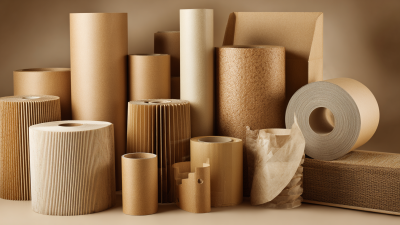
When it comes to shipping items safely, choosing the right packaging materials is crucial. According to a report by the International Safe Transit Association (ISTA), improper packaging is a leading cause of damage during transit, resulting in costs that can amount to millions of dollars for businesses annually. Understanding the specific needs of your items can help you select the most appropriate materials.
For fragile items, cushioning materials such as bubble wrap or foam inserts are essential to absorb shocks and prevent breakage. For heavier items, sturdy boxes with reinforced corners can provide the necessary support to protect against crushing forces.
Tips for selecting packaging materials include assessing the fragility and weight of your items. Use double-walled boxes for heavier, more delicate goods to ensure added protection. Additionally, consider the environmental impact of your materials; opting for recycled or biodegradable options demonstrates a commitment to sustainability while still providing adequate protection. Furthermore, ensure that there is no empty space within the box. Fill any gaps with packing peanuts or crumpled paper to prevent movement during shipping, as the packaging needs to remain stable under various conditions such as temperature fluctuations and vibrations.
Another essential aspect is labeling and sealing the package correctly. The packaging should be sealed securely with high-quality tape, ideally a poly or PVC packer tape that can withstand handling. Furthermore, clear labeling with handling instructions can significantly reduce the risk of mishandling, guiding carriers to treat your package with care. Remember, the right materials and practices not only protect your items but also enhance customer satisfaction by ensuring that packages arrive in perfect condition.
Preparing Items for Packaging: Cleaning and Protection Steps
When preparing items for packaging, cleanliness and protection are paramount to ensure safe shipping. Before packing, it’s essential to thoroughly clean the items to remove dust, dirt, and residues that could cause damage during transit. A survey by the Packaging Association found that 36% of damaged shipments are attributed to insufficient cleaning, leading to increased returns and costs for businesses. Using appropriate cleaning materials that won't harm the product is crucial, especially for delicate items, which should be handled with care to prevent scratches or permanent damage.
In addition to cleaning, implementing robust protective measures is essential. Items should be cushioned using materials like bubble wrap or biodegradable peanuts to absorb shocks and prevent movement within the package. According to a report by the International Safe Transit Association, improper cushioning was responsible for over 30% of product damage claims in 2022. Moreover, sealing items securely in appropriate-sized boxes minimizes the risk of shifting during transport, further safeguarding the contents. By adopting these best practices, businesses can significantly reduce the likelihood of damage and enhance customer satisfaction.
Techniques for Securing Items Inside the Packaging
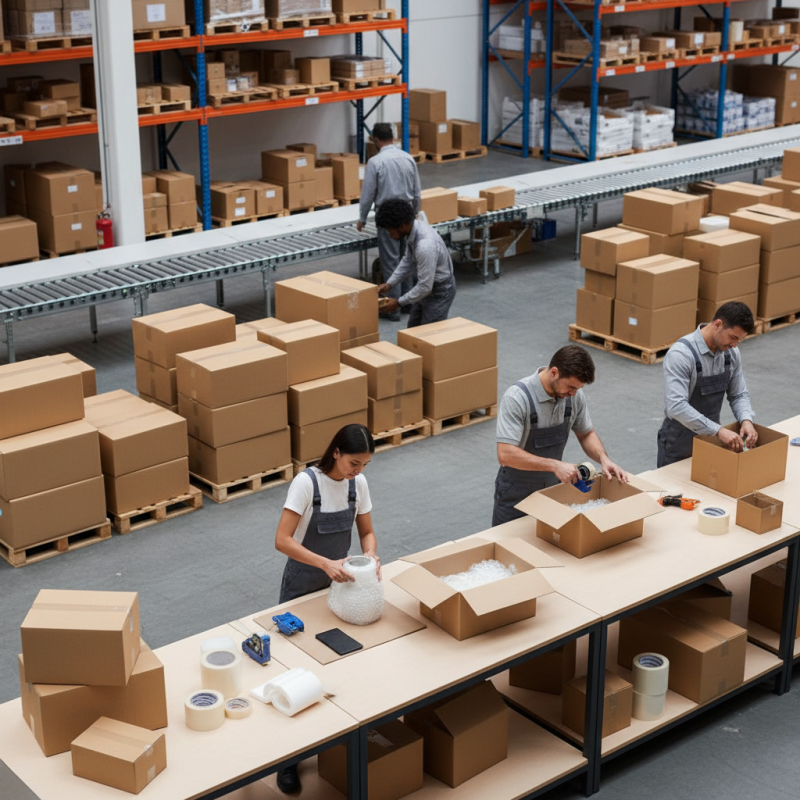
When it comes to securing items inside packaging for shipping, proper techniques can significantly reduce damage during transit. According to a report from the International Safe Transit Association (ISTA), up to 25% of items are damaged during transportation, primarily due to inadequate packaging. To combat this, it’s essential to use appropriate cushioning materials that absorb shocks and protect fragile items. Bubble wrap, foam peanuts, and biodegradable packing materials are effective choices that conform to the shape of the item, ensuring stability and protection against movement.
Moreover, the arrangement of items within the packaging plays a crucial role in their protection. A study by the Packaging Association found that items should be arranged with heavier ones on the bottom and lighter ones on top to minimize the risk of crushing. It is also advisable to fill all voids in the packaging with additional cushioning to prevent any unwanted shifting during transit. Utilizing dividers can further enhance protection, particularly for glass or ceramic items, allowing for individual compartments that absorb impacts while keeping items separated. By paying close attention to these techniques, shippers can significantly enhance the chances of their products arriving safely and intact.
Shipping Package Protection Techniques
Labeling and Documentation for Safe Shipping
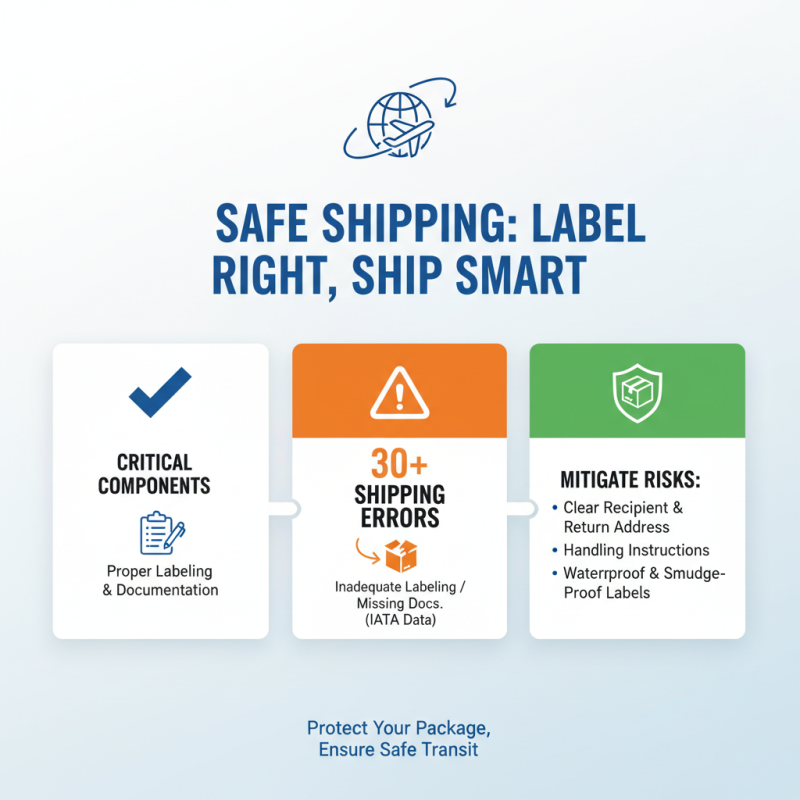
Proper labeling and documentation are critical components of safe shipping that often get overlooked. According to the International Air Transport Association (IATA), over 30% of shipping errors can be attributed to inadequate labeling or missing documentation. To mitigate such risks, it's essential to clearly label packages with not only the recipient’s address but also necessary handling instructions and return addresses. Utilizing waterproof and smudge-proof labels ensures that information remains legible throughout transit, safeguarding the package against environmental factors.
Moreover, accurate documentation is vital for compliance and tracking. Industry reports indicate that shipments with proper documentation are 50% less likely to face delays or customs issues. When preparing documents such as invoices, packing lists, and shipping labels, ensure that all information is complete and aligns with the contents of the package. This not only streamlines the shipping process but also enhances customer satisfaction by reducing delivery timeframes. Implementing these best practices in labeling and documentation can significantly improve the overall efficiency and safety of shipping operations.
Best Practices for Shipping Fragile and High-Value Items
When it comes to shipping fragile and high-value items, the right packaging can make all the difference in ensuring that these items arrive at their destination safely. Start by choosing sturdy boxes that can withstand the rigors of transit. For fragile items, consider using double-walled cardboard boxes, as they provide an extra layer of protection. It’s essential to fill any empty space within the box with cushioning materials such as bubble wrap, packing peanuts, or foam inserts, which help absorb shocks and prevent movement during shipping.
In addition to proper cushioning, it's vital to securely seal the package. Use high-quality packing tape, applying it along all seams and edges to prevent any potential openings. Label the box clearly, indicating that it contains fragile items to alert handlers to take extra care. For high-value items, consider adding additional insurance or tracking options to monitor their journey. A well-packaged item not only protects its content but also conveys professionalism and care in the shipping process.
How to Properly Package Items for Safe Shipping: Tips and Best Practices
| Item Type |
Recommended Packing Material |
Special Instructions |
Estimated Cost |
| Fragile Glassware |
Bubble Wrap, Foam Peanuts |
Wrap each item separately; use double-boxing. |
$10 - $20 |
| High-Value Electronics |
Anti-static Bags, Padding Foam |
Use original packaging if available; insure the package. |
$15 - $30 |
| Artwork and Paintings |
Art Crates, Corner Protectors |
Ensure the artwork is secured and kept upright. |
$25 - $50 |
| Ceramics and Pottery |
Bubble Wrap, Corrugated Boxes |
Fill all empty spaces to prevent movement during transit. |
$12 - $25 |
| Collectible Items |
Custom Boxes, Foam Inserts |
Document the condition and insure for full value. |
$20 - $40 |