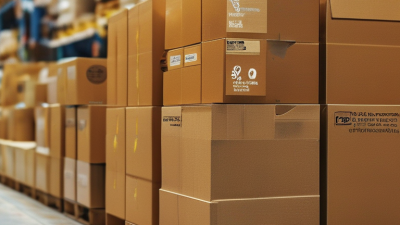
A packaging vendor is more than a company that prints boxes or supplies containers. It is a practical partner that helps brands protect products, manage presentation, and prepare goods for shipping, storage, and retail display. Depending on the project, packaging vendors may provide design support, material selection, prototypes, custom manufacturing, labeling, closures, inserts, and quality checks.
The right vendor can turn a rough concept into a sturdy carton that opens cleanly and survives a delivery truck. Some vendors focus on folding cartons, flexible films, glass bottles, corrugated cases, or protective transit packaging. Others offer complete packaging programs, including sourcing and inventory planning. Their value depends on more than price. Lead times, minimum order quantities, print accuracy, testing, communication, and sustainability claims all deserve careful review.
Packaging consultant Lisa McTigue Pierce has written, “Packaging is part of the product experience.” That observation matters because packaging often creates the first physical contact with a customer. A crushed corner, loose cap, or confusing label can damage trust quickly. A clear structure and reliable seal can do the opposite.
Still, choosing among packaging vendors is rarely simple. A polished sample may hide production limitations. A low quote may exclude tooling, freight, or future revisions. Responsible buyers should request samples, confirm specifications, inspect materials, and ask how quality is measured. The perfect vendor may not exist. A dependable, transparent partner is usually the stronger choice.

A packaging vendor is a company that supplies packaging materials and related services to other businesses. It helps turn a product concept into a practical package. The work may include material selection, structural design, printing, sampling, production, and delivery. In practice, a vendor can provide cartons, pouches, labels, protective inserts, or shipping containers. The exact offer depends on its equipment, skills, and supply network. Good vendors ask about product size, storage conditions, transport risks, and customer handling. They do not simply sell boxes.
Typical services include package design, artwork preparation, prototype production, and quality inspection. A vendor may recommend paperboard, corrugated fiber, glass, metal, or suitable flexible materials. It can also test dimensions, closures, printing accuracy, and resistance to pressure.
Clear samples help teams notice problems before large production begins. Material certificates and production records provide useful evidence. Yet service levels vary widely. A small supplier may offer personal support but limited machinery.
From a buyer’s perspective, choosing a vendor requires more than comparing prices. Review sample quality, communication speed, production capacity, and delivery performance. Ask how defects are recorded and corrected. Confirm whether the quoted material matches the approved sample. A polished presentation can hide weak process control. That is easy to miss. A reliable vendor explains limitations clearly and keeps changes documented. Still, no evaluation is perfect. Actual performance should be checked through trial orders and regular feedback.

Packaging vendors provide more than boxes. They supply cartons, pouches, bottles, jars, trays, labels, closures, and protective inserts. Materials may include paperboard, corrugated fiber, glass, metal, or approved plastics. Each option suits different products, shipping conditions, and customer expectations. A good vendor helps match package strength with actual handling risks.
Their services often begin with packaging design and structural testing. They can create dielines, prototypes, printed samples, and small trial runs. Testing may include compression, vibration, drop, moisture, and seal checks. These steps reveal weak corners or poor closures before large production begins. Vendors may also manage printing, color control, filling coordination, palletizing, and delivery schedules. Reliable providers document material specifications and maintain traceable quality checks.
Sustainability support is becoming practical, not decorative. Vendors can recommend lighter formats, recycled content, reusable components, or simpler material combinations. However, “eco-friendly” claims need evidence. Recycling access differs by location, and some mixed materials remain difficult to process. No package is perfect. I have found that a cheaper format can create higher damage rates, while an attractive design may slow packing operations. Clear communication, sample approval, and realistic testing usually prevent expensive surprises. Packaging vendors also help review labeling space, storage needs, and applicable safety requirements without replacing professional regulatory advice.
Packaging vendors support the packaging process by turning product requirements into workable materials and formats. They review dimensions, filling methods, protection needs, and presentation goals before suggesting cartons, pouches, labels, or protective inserts. A reliable vendor also checks whether the chosen material suits temperature, moisture, pressure, and storage conditions. Small details matter.
Their work often begins with drawings, material specifications, and physical samples. A vendor may produce a trial carton, test its folding accuracy, and place it on a packing line. This practical step can reveal problems that look invisible on paper. A flap may catch. A label may wrinkle. The box may collapse during stacking. These findings help packaging teams adjust the design before larger production runs.
Quality support continues after approval. Vendors can inspect color, dimensions, seal strength, print alignment, and surface defects during manufacturing. They may also coordinate production schedules, shipment quantities, and replacement materials. However, no supplier catches every issue. A sample can pass inspection and still behave differently during fast machine operation. That limitation deserves honest discussion. Strong vendors keep records, explain deviations, and respond with measurable corrective actions instead of vague promises. Their experience becomes most valuable when requirements change, delivery pressure rises, or a carefully planned package meets real handling conditions.
| Vendor Service | Packaging Process Stage | Typical Activities | Common Deliverables | Common Materials | Typical Lead-Time Range | How It Supports the Process |
|---|---|---|---|---|---|---|
| Packaging Design | Concept Development | Defines package structure, dimensions, opening method, protection level, and user experience. | Design concepts, dielines, technical drawings, and material recommendations. | Paperboard, corrugated board, plastics, glass, metal, and flexible films. | 1–6 weeks | Converts product and logistics requirements into a practical packaging specification. |
| Structural Prototyping | Testing and Validation | Creates sample packages to check fit, assembly, stacking, handling, and product protection. | Blank samples, folded prototypes, mock-ups, and fit-test reports. | Corrugated board, paperboard, foam, molded pulp, and protective inserts. | 3 days–3 weeks | Identifies design problems before tooling and mass production begin. |
| Artwork and Prepress | Print Preparation | Checks artwork dimensions, color specifications, barcodes, regulatory text, and print tolerances. | Print-ready files, proofs, color references, and approved artwork files. | Paper, paperboard, films, foil laminates, and coated substrates. | 2 days–2 weeks | Reduces printing errors and ensures that required information is reproduced correctly. |
| Tooling and Mold Development | Production Setup | Produces cutting dies, forming tools, injection molds, or other equipment required for manufacturing. | Tooling drawings, production tools, trial samples, and approval samples. | Tool steel, aluminum, silicone, plastic resins, and composite materials. | 2–10 weeks | Makes the selected packaging design suitable for repeatable, high-volume production. |
| Packaging Manufacturing | Production | Cuts, prints, forms, seals, folds, or assembles packaging according to approved specifications. | Finished cartons, containers, pouches, labels, closures, trays, and inserts. | Corrugated board, paperboard, plastics, glass, metal, paper, and flexible laminates. | 1–8 weeks after approval | Provides the physical packaging required for filling, shipping, retail display, or storage. |
| Printing and Finishing | Branding and Presentation | Applies text, graphics, coatings, laminations, embossing, foil effects, or protective finishes. | Printed packaging, labels, sleeves, cartons, and finished decorative components. | Inks, varnishes, water-based coatings, films, and metallic foils. | 3 days–4 weeks | Improves product identification, shelf presentation, readability, and surface durability. |
| Quality Assurance | Inspection and Release | Inspects dimensions, print quality, seals, material strength, color consistency, and order quantities. | Inspection reports, sample records, certificates, and nonconformance reports when required. | Applicable packaging materials and finished components. | 1 day–2 weeks | Helps confirm that packaging meets agreed specifications before shipment or filling. |
| Packing and Kitting | Product Assembly | Combines packaging components, inserts, instructions, accessories, or products into a completed pack. | Assembled units, multipacks, promotional kits, and shipping-ready packages. | Cartons, trays, inserts, labels, protective materials, and instruction sheets. | 3 days–4 weeks | Reduces internal handling work and prepares products for distribution or retail delivery. |
| Logistics and Inventory Support | Storage and Distribution | Stores materials, coordinates deliveries, manages inventory levels, and schedules replenishment. | Delivery schedules, inventory reports, shipment documentation, and replenishment orders. | Finished packaging, components, pallets, cartons, and protective shipping materials. | Same day–several weeks | Helps maintain packaging availability and reduces the risk of production interruptions. |
| Sustainability Consulting | Optimization and Improvement | Reviews material use, recyclability, package weight, transport efficiency, and end-of-life options. | Material comparisons, reduction proposals, recyclability guidance, and packaging assessments. | Recycled paperboard, corrugated fiberboard, molded fiber, recyclable plastics, and reusable materials. | 2–8 weeks | Supports the development of packaging that uses fewer resources while preserving required performance. |
| Lead-time ranges are typical planning estimates for standard projects and may vary according to material availability, order quantity, tooling requirements, testing, customization, and shipping conditions. | ||||||
Packaging vendors support businesses that need safe, consistent, and efficient product presentation. Food and beverage producers use them for pouches, cartons, trays, labels, and shipping cases. Their needs are practical: moisture barriers, clear date coding, tamper evidence, and packaging that survives cold storage.
Pharmaceutical and healthcare companies also rely on specialized vendors. They often require measured doses, readable instructions, child-resistant features, and strict batch traceability. Cosmetic and personal-care businesses seek attractive containers, pumps, tubes, and refill formats. E-commerce sellers need lightweight mailers, protective inserts, and right-sized boxes. Industrial manufacturers usually request pallets, drums, protective foam, or custom crates for heavy equipment.
The market is broad.
According to Smithers’ The Future of Global Packaging to 2029, global packaging demand is expected to exceed 1.2 trillion dollars by 2029. PMMI’s 2024 State of the Industry report also placed U.S. packaging machinery shipments above 10 billion dollars in 2023. These figures show why vendors serve both large manufacturers and smaller online businesses.
However, growth does not make every vendor suitable. A small food producer may need flexible order quantities, while a medical manufacturer may prioritize documented quality systems over low pricing. Packaging vendors can provide design support, material testing, printing, filling, and logistics coordination. Yet buyers sometimes focus too heavily on appearance. A beautiful package can still fail during transport. Testing real products in real shipping conditions remains essential, and even careful forecasts can miss seasonal demand.
Choosing a packaging vendor starts with your product, not a sales brochure. Define the pack’s dimensions, filling temperature, shelf life, shipping route, and monthly volume. A reliable vendor should offer material selection, structural design, prototypes, tooling, production, quality checks, and delivery planning. Ask for test records, not attractive samples.
Independent data can sharpen the decision. McKinsey’s 2023 consumer packaging research found that 60% to 70% of surveyed consumers would pay more for sustainable packaging in some categories. However, “sustainable” needs evidence. Request recycled-content percentages, food-contact documentation when relevant, recyclability claims, and third-party test results. The Sustainable Packaging Coalition also stresses that packaging outcomes depend on local collection and recycling systems. A recyclable structure may fail in your target market.
Check the vendor’s minimum order quantity, lead time, defect rate, and backup capacity. Ask who owns the mold and artwork files. Run a small pilot shipment with real products, including corner drops and humid storage. Watch for crushed edges, loose seals, and color shifts. A spreadsheet can still mislead. I once treated a low unit price as a saving, then discovered expensive tooling and excess inventory. Compare total cost over twelve months. Request two references with similar materials and production volumes, then verify their answers independently. Trust grows through evidence, not confidence.
Packaging vendors may support several stages of the packaging lifecycle, from design and material sourcing to testing, production, fulfillment, and end-of-life planning. Use the service coverage chart below as a practical framework for comparing vendors.
How to choose the right vendor: prioritize vendors that can demonstrate relevant design expertise, reliable production capacity, quality and compliance testing, transparent lead times, sustainable material options, and dependable logistics support.
Get Free Estimate!