What is Matcha Powder and its Health Benefits?
Matcha Powder has gained significant attention in recent years. This vibrant green powder is made from finely ground tea leaves. It is rich in antioxidants and offers numerous health benefits. According to Dr. Sophie Kim, a renowned nutritionist, "Incorporating matcha powder into your daily routine can bring about profound changes."
Many people are curious about how matcha powder can enhance their wellness. Its unique composition supports improved focus and energy levels. However, the journey to fully appreciate matcha requires understanding its origins and preparation. The vibrant hue and earthy aroma can be very appealing. Yet, not all matcha powders are created equal.
Choosing high-quality matcha powder is essential for experiencing its full benefits. The nuances of flavor and the quality can vary drastically. As with any health trend, it is important to reflect on individual responses to matcha powder. Some may love its taste, while others may not feel the effects. Understanding these elements can elevate the matcha experience.
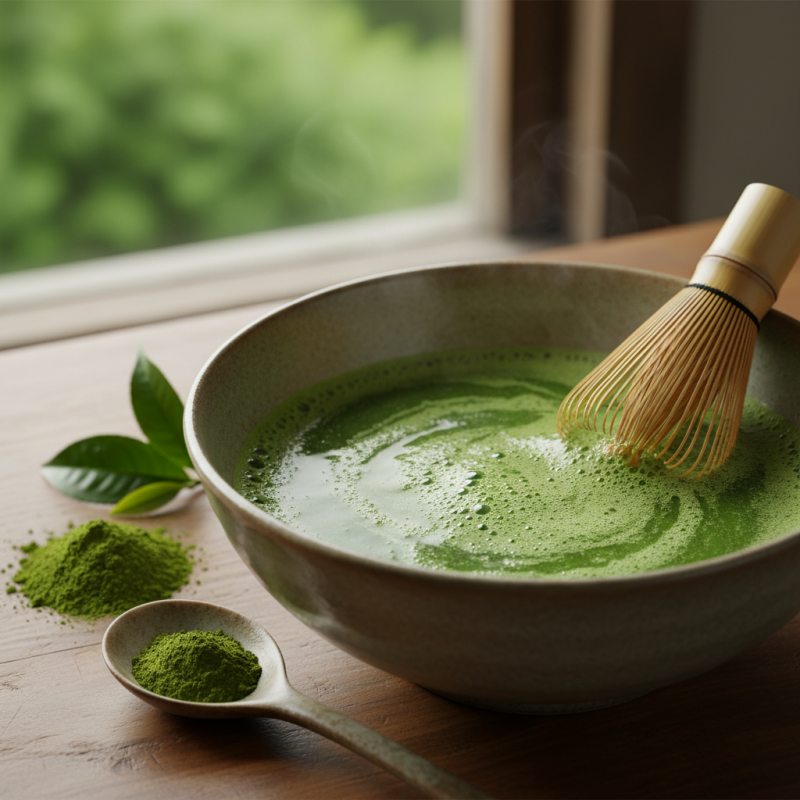
What is Matcha Powder?
Matcha powder is a unique form of green tea. It comes from finely ground tea leaves. Unlike regular tea, matcha uses the whole leaf. This gives it a vibrant green color. It also has a distinct, rich flavor.
One of the great things about matcha is its versatility. You can use it in drinks, smoothies, or baked goods. A simple matcha latte is quite popular. Just mix matcha powder with hot water and milk. It’s an easy way to enjoy its benefits.
Tips for using matcha: Start with a small amount. Its taste can be overwhelming. Gradually increase the quantity to find the right balance. Also, consider pairing it with honey or vanilla to enhance the flavor. When making matcha, whisk it well. This helps create a smooth texture. Remember, not all matcha is the same. Some may be slightly bitter. Experiment until you find the right one for you. Listening to your palate is key!
History and Origin of Matcha Powder
Matcha powder has a rich history that dates back to the Tang Dynasty in China (618-907 AD). During this period, tea leaves were steamed and formed into a paste. This paste was pressed into cakes, making it easy to transport. However, it was during the Song Dynasty (960-1279 AD) when matcha truly evolved. The powdered form of tea became popular among Zen Buddhist monks due to its calming effects and ability to enhance focus during meditation.
Later, matcha made its way to Japan, where it became an integral part of tea ceremonies. The Japanese adopted the practice, refining the grinding techniques. By the 12th century, matcha was not only a beverage but a cultural symbol. The Urasenke school of tea, one of the main schools of the Japanese tea ceremony, still honors these traditional practices today. According to a 2020 report by the International Journal of Herbal Medicine, matcha consumption in Japan increased by 70% within just five years, showcasing its growing popularity.
Interestingly, while many admire matcha for its vibrant color and health benefits, there are concerns about quality control. Some matcha can be contaminated with heavy metals, leading to safety issues. A study found that 30% of matcha samples contained detectable levels of lead. Thus, consumers need to research and choose quality sources. The journey of matcha from ancient times to today illustrates not just a beverage but a culture, rich in tradition yet requiring careful consideration.
What is Matcha Powder and its Health Benefits? - History and Origin of Matcha Powder
| Nutritional Content | Health Benefits | Cultural Significance | Historical Origins |
| Rich in antioxidants, particularly catechins | Boosts metabolism and aids weight loss | Used in traditional Japanese tea ceremonies | Originated in China during the Tang dynasty |
| Contains L-theanine for relaxation | Enhances cognitive function and focus | Symbol of mindfulness and tranquility | Brought to Japan in the late 12th century |
| High in fiber and vitamins | Supports heart health and lowers cholesterol | Integral part of Zen Buddhism practices | Cultivated in Uji, Japan, known for premium matcha |
| Supports immune function | Helps regulate blood sugar levels | Reflects Japanese aesthetics and philosophy | Developed into a ceremonial drink in the 15th century |
Nutritional Profile of Matcha Powder
Matcha powder is a finely ground green tea. It stands out for its vibrant green color and unique flavor. Rich in antioxidants, it benefits health in several ways. The main component of matcha is chlorophyll, which gives it that distinct hue. This pigment helps detoxify the body, removing harmful substances.
When looking at the nutritional profile, matcha is impressive. It contains a high level of catechins, especially EGCG. These compounds can boost metabolism and enhance fat burning. A cup of matcha also has some essential vitamins. For instance, vitamins A and C support skin health and immunity.
However, it’s essential to consume matcha in moderation. Overindulgence might lead to increased caffeine sensitivity. It may cause jitteriness in some. While it offers many health benefits, everyone’s body reacts differently. It's worth reflecting on how your body responds to this powerful powder. Take your time to find balance and enjoy matcha’s delightful taste.
Health Benefits of Matcha Powder
Matcha powder has gained popularity for its vibrant color and distinct flavor. It is made from shade-grown tea leaves. The leaves are carefully ground into a fine powder. This unique process retains many nutrients. Matcha is packed with antioxidants, especially catechins, which are known for their health benefits.
Consuming matcha can enhance focus and calmness. One sip can induce a sense of relaxation. Some people find that it boosts their energy levels without the jitters often associated with coffee. The amino acid L-theanine in matcha contributes to this effect. It promotes mental clarity and improved concentration, which some users appreciate during long workdays.
Additionally, matcha may aid in weight management. Some studies suggest it boosts metabolism. However, not everyone experiences this effect. Individual responses to matcha can vary greatly. It may take some time to notice significant changes in energy or weight. Trying matcha is worth it, but results can be inconsistent. Embracing this journey might lead to unexpected benefits.
How to Incorporate Matcha Powder into Your Diet
Matcha powder is gaining popularity for its unique taste and health benefits. To incorporate matcha into your diet, start small. You can mix it into smoothies or oatmeal. A teaspoon of matcha adds a vibrant color and rich flavor to your morning routine. Research shows that matcha can boost metabolism by up to 30%, based on a study in the Journal of Nutritional Science.
Baking with matcha is another fun way to enjoy its benefits. You can add matcha to pancakes, muffins, or even energy balls. Each serving can provide antioxidants equivalent to ten cups of brewed green tea. Be mindful, though, as too much matcha can lead to caffeine jitters.
Consider making matcha lattes at home. Using almond or oat milk can create a creamy texture. Keeping the sweetness low allows matcha's earthy flavor to shine. Remember, everyone's body reacts differently to matcha. It’s essential to listen to your body and adjust intake accordingly.
Matcha Powder Nutritional Benefits
Matcha powder is a concentrated form of green tea with numerous health benefits. Incorporating it into your diet can boost your antioxidant intake, provide a gentle energy lift, and support overall health.