...

Blog

Home Blog

What Is Livestock Injection and How Does It Work?

Livestock Injection is a routine tool in modern animal health management. It delivers vaccines, antibiotics, vitamins, hormones, or other approved medicines beneath the skin or into muscle. The method seems simple. The details are not.

The World Organisation for Animal Health (WOAH) emphasizes responsible veterinary medicine use, accurate diagnosis, and professional oversight. Its standards support treatment decisions based on animal welfare, disease risk, and antimicrobial stewardship. The U.S. Food and Drug Administration’s 2022 Animal Drug User Fee Act report also recorded a 33% decrease in domestic sales of medically important antimicrobials for food-producing animals between 2016 and 2022. This trend shows stronger control, but it does not remove the need for careful injections.

A clean needle matters.

So does location. Beef Quality Assurance guidance generally recommends the neck region for cattle, helping protect valuable meat cuts from injection-site damage. Animal-handling expert Temple Grandin has written, “The squeeze chute should be designed so that the animal can stand comfortably.” Her point connects directly with injection safety. A frightened calf may move suddenly, bend a needle, or receive an inaccurate dose.

In practice, a technician checks the product label, confirms the dosage, restrains the animal calmly, and records the treatment. Temperature control matters too. Some vaccines lose effectiveness after improper storage, even when the vial looks normal. Mistakes still happen. Human judgment is not perfect.

That is why Livestock Injection should be understood as a controlled process, not merely a quick shot. Good technique protects animal welfare, food quality, worker safety, and treatment reliability.
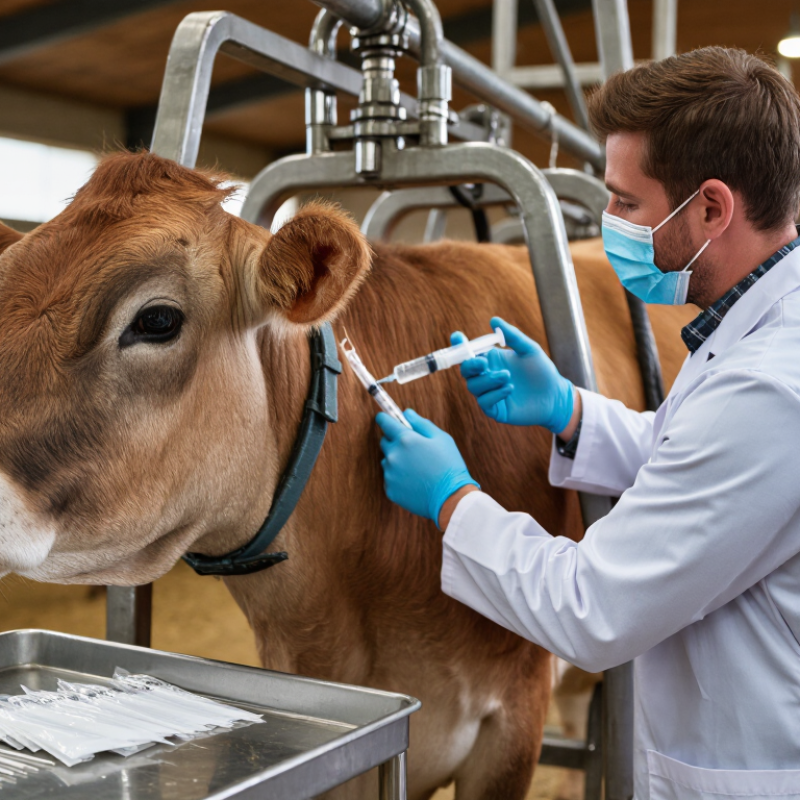
What Is Livestock Injection and How Does It Work?

Definition and Purpose of Livestock Injection

Livestock injection is the controlled delivery of medicine, vaccines, vitamins, or other approved treatments into an animal’s body. It may be given under the skin, into muscle, or into a vein, depending on the product and veterinary instructions. The method helps active ingredients reach the intended tissues at a predictable rate.

Its purpose is practical: preventing disease, treating diagnosed illness, reducing suffering, and supporting recovery. A veterinarian or trained livestock professional selects the product, dose, injection site, and timing. Animal weight, age, species, health status, and pregnancy can change the decision. Meat and milk withdrawal periods also matter. These records protect animal welfare and food safety.

The process requires more than a needle. Clean equipment, calm handling, and correct restraint reduce pain, injury, and contamination. A worker should check the label, expiration date, storage conditions, and animal identification before treatment. Small details matter.

Injection is not automatically the best answer. Some conditions need examination, fluids, oral medicine, or urgent care instead. Even experienced handlers can make mistakes when animals move suddenly or instructions seem familiar. I have found that written treatment records reveal problems that memory hides. They also show whether the treatment worked. Poor technique may cause swelling, tissue damage, or an ineffective dose, so local veterinary guidance remains essential.

Main Types of Injections Used in Livestock

What Is Livestock Injection and How Does It Work?

Main Types of Injections Used in Livestock

A livestock injection delivers medicine, vaccines, or nutrients beneath the animal’s skin or into muscle. The correct route depends on the product and veterinary instructions. Common injection sites include the neck area, where tissue damage is easier to manage. Clean technique matters.

Vaccinations are among the most common injections used for cattle, sheep, goats, and pigs. They prepare the immune system to recognize specific diseases before serious exposure occurs. Antibiotic injections may treat confirmed bacterial infections, but they should not replace professional diagnosis. Antiparasitic injections help control certain internal or external parasites. Their use requires accurate animal weight and careful timing. Vitamin and mineral injections can support animals with diagnosed deficiencies, although they are not a substitute for balanced feed.

Handlers should use sterile needles, restrained animals, and clean equipment. Needle size and injection depth vary with species, age, and body condition. Never guess a dose or combine products without veterinary approval. Good records matter. They should include the animal, product, amount, date, and withdrawal instructions. In practice, rushed handling is a common weakness. A calm animal usually means a safer injection and less tissue damage. Even experienced workers can miss a label detail, especially when several animals look alike. That small mistake can affect treatment results and food safety.

What Is Livestock Injection and How Does It Work? - Main Types of Injections Used in Livestock

Common livestock injection categories, administration routes, purposes, and key handling considerations
Injection Category Primary Purpose Common Livestock Typical Route How It Works Examples of Uses Important Considerations
Vaccines Disease prevention Cattle, sheep, goats, pigs, poultry, and farmed fish Subcutaneous (SC), intramuscular (IM), intradermal, oral, or other routes specified on the label Stimulates the immune system to develop protection against specific pathogens or toxins Prevention of clostridial disease, respiratory disease, reproductive disease, and selected viral infections Vaccines are preventive, not a substitute for treatment of an active infection. Follow the product label, cold-chain requirements, dosage, booster schedule, and species restrictions.
Antimicrobials Treatment or control of susceptible bacterial infections Primarily cattle, pigs, sheep, and goats SC, IM, or IV, depending on the active ingredient and approved label Interferes with bacterial growth or survival through mechanisms such as inhibition of cell-wall formation or protein synthesis Selected cases of respiratory disease, mastitis, metritis, foot infections, and systemic bacterial disease Use should be based on veterinary diagnosis and responsible antimicrobial-use principles. Observe meat, milk, and egg withdrawal periods.
Antiparasitic Injections Control of internal or external parasites Cattle, sheep, goats, and pigs SC or IM, depending on the approved product and target species Acts on susceptible parasites by disrupting neuromuscular function, energy metabolism, or other essential biological processes Management of certain roundworms, lungworms, lice, mites, and grubs Effectiveness depends on the parasite and local resistance patterns. Do not assume one injection controls every parasite species.
Vitamins and Minerals Correction or prevention of diagnosed deficiencies Cattle, sheep, goats, pigs, and other production animals SC or IM; IV administration may be used for selected emergency treatments under professional supervision Supplies nutrients needed for metabolic, immune, muscular, blood-forming, or antioxidant functions Vitamin E and selenium deficiency, vitamin B supplementation in selected cases, and mineral deficiencies confirmed by veterinary assessment Some minerals have a narrow safety margin. Incorrect dosing can cause toxicity, injection-site damage, or death.
Anti-Inflammatory and Analgesic Injections Relief of pain, fever, and inflammation Cattle, pigs, sheep, goats, and horses where approved IM, SC, or IV, depending on the medicine and label Reduces inflammatory mediators and, in some cases, lowers pain signaling and fever Pain associated with injury, surgery, lameness, fever, or inflammation These medicines may reduce clinical signs without treating the underlying disease. Kidney, liver, digestive, and withdrawal considerations may apply.
Hormonal and Reproductive Treatments Management of reproduction or specific hormonal conditions Cattle, pigs, sheep, and goats under a veterinary reproductive program IM or SC, depending on the authorized treatment Mimics or modifies natural hormonal signals that regulate ovulation, estrus, uterine activity, or pregnancy maintenance Estrus synchronization, ovulation timing, treatment of selected reproductive disorders, and pregnancy management Use only within an appropriate veterinary protocol. Correct animal identification and timing are essential.
Emergency Fluids and Electrolytes Correction of dehydration, shock, or electrolyte imbalance Calves, lambs, kids, piglets, adult cattle, sheep, and goats IV, SC, or intraperitoneal in limited veterinary situations; route depends on severity and clinical assessment Restores circulating volume and supplies water, glucose, or electrolytes needed for normal cell function Diarrhea-related dehydration, shock, metabolic disturbances, and selected cases of weakness Severely dehydrated or collapsed animals may require IV therapy by trained personnel. Fluid type and rate must be selected carefully.
Local Anesthetics Temporary loss of sensation in a specific area Cattle, sheep, goats, pigs, and horses during veterinary procedures Intradermal, subcutaneous, perineural, or regional injection Blocks nerve conduction near the injection site, reducing pain during a procedure Minor surgery, wound repair, nerve blocks, and selected diagnostic procedures Requires knowledge of anatomy, dose limits, tissue safety, and applicable food-animal regulations.
General safety note: The correct injection site, needle size, dose, route, storage conditions, and withdrawal period depend on the animal species, age, body weight, health status, and approved product instructions. Use clean equipment, avoid injecting into contaminated tissue, record every treatment, and consult a veterinarian for diagnosis, prescription medicines, and intravenous administration.

How Livestock Injections Work in the Body

What Is Livestock Injection and How Does It Work?

A livestock injection delivers an approved veterinary medicine or vaccine beneath the skin or into muscle. The route matters because it changes how quickly the substance enters the bloodstream. Subcutaneous injections usually absorb through nearby tissues, while intramuscular injections often reach circulation more rapidly. Correct needle placement helps reduce tissue damage and uneven absorption.

Once absorbed, the medicine travels through blood to specific tissues. Some medicines bind to receptors, block harmful processes, or reduce inflammation. Vaccines work differently. They present harmless signals to the immune system, helping the animal develop protective memory before future exposure. The liver and kidneys then process or remove many substances. Dose, body weight, hydration, injection site, and illness can all influence this process.

The process is less tidy than diagrams suggest. Two animals may respond differently, even under similar conditions. A trained professional checks the species, product instructions, needle size, and injection site before treatment. Clean equipment lowers contamination risks, while accurate records help track dosage and required withdrawal periods for meat or milk. An incorrect route can delay treatment or damage muscle. That detail is easy to overlook. Veterinary guidance remains important because calves, cattle, sheep, and pigs do not absorb every medicine in the same way. Temperature, stress, and poor handling may also affect recovery.

What Is Livestock Injection and How Does It Work?

Typical time ranges for a medicine to begin entering systemic circulation after different injection routes

Intravenous injection delivers medication directly into the bloodstream and generally acts fastest. Intramuscular injection requires absorption through muscle tissue, while subcutaneous injection is absorbed through tissue beneath the skin and may act more gradually. Actual timing varies with the medicine, formulation, animal species, blood flow, injection site, and health status.

Step-by-Step Process of Administering an Injection

A livestock injection delivers medicine, vaccines, or supplements beneath the animal’s skin or into muscle. The correct route depends on the product label, animal species, age, and treatment purpose. Only trained handlers should perform the procedure under veterinary direction. A small mistake can cause injury, treatment failure, or tissue damage.

Begin by checking the animal, dosage, expiration date, and prescribed route. Wash your hands and prepare a clean syringe, fresh needle, disinfectant, and approved sharps container. Restrain the animal calmly, using suitable equipment and enough assistance. Do not rush this step. Examine the injection site for wounds, swelling, or contamination. Clean the area when required by veterinary instructions.

Draw the exact dose without touching sterile parts. Remove air bubbles carefully, but avoid wasting medication. Insert the needle at the angle recommended for the selected route. Inject slowly and steadily. Watch the animal’s movement. A sudden struggle can bend the needle or cause tissue damage. Withdraw the needle, inspect the site, and release the animal safely. Record the date, animal identification, product, dose, route, and handler.

Dispose of the needle immediately in a puncture-resistant container. Never reuse a needle between animals unless a veterinarian has specifically approved the practice. Observe the animal afterward for breathing changes, collapse, severe swelling, or unusual behavior, and seek veterinary help immediately if these signs appear. Even experienced handlers can make errors, especially when restraint is poor. Reviewing the procedure afterward helps reveal what needs improvement.

Safety Measures and Post-Injection Care

What Is Livestock Injection and How Does It Work?

Safety Measures and Post-Injection Care

Livestock injection delivers medicine through a controlled route. The label may specify subcutaneous, intramuscular, or intravenous administration. Route, dose, needle size, and injection site affect absorption and tissue damage. Confirm the animal’s weight before measuring medicine. Never guess a dose. Use clean, dry equipment for every animal, and replace bent or contaminated needles immediately. A calm restraint reduces struggling and accidental injury. The WOAH Terrestrial Animal Health Code emphasizes competent handling, hygiene, and welfare during veterinary procedures.

Post-injection care requires more than watching for a lump. Check the site for heat, swelling, bleeding, or increasing pain during the next 24 to 48 hours. Observe appetite, movement, breathing, and behavior. Severe weakness or breathing difficulty needs urgent veterinary attention. Record the animal identification, product, dose, route, date, and operator. Respect the stated withdrawal period for meat, milk, or eggs. The FDA’s 2023 Summary Report recorded a 5% decline in medically important antimicrobial sales for food-producing animals in 2022 compared with 2021. Responsible administration supports this wider stewardship goal.

One missed detail can matter.

A clean injection can still fail if storage conditions were ignored or records were incomplete. Recheck the label before treatment, even when the procedure feels routine. Dispose of used needles in a puncture-resistant container, not ordinary farm waste. Local veterinary guidance remains essential because species, age, pregnancy, and disease status change the risk.

Need Packaging Solutions?

Get Free Estimate!

1-800-493-7441
Contact Us