How to Find Exquisite Pattern Designs for Global Sourcing?
Finding Exquisite Patterns for global sourcing can be a daunting task. The market is saturated with numerous options, each claiming uniqueness. Distinguishing true artistry from mere trends requires refined discernment. An exquisite pattern is not just a design; it carries a story and resonates with culture.
Diving deeper into this world, you may uncover breathtaking patterns that elevate your products. Focus on heritage and artistry to guide your search. Collaborating with skilled artisans can yield exceptional results, but it isn't without challenges. You may encounter inconsistencies in quality and supply chains. Not every source will meet your expectations.
Exploring various platforms and attending trade shows can spark new ideas. Always question the longevity of current trends. Patterns should evoke emotion, not just fill a space. Reflect on your choices judiciously, as the perfect design often requires patience and a keen eye. Seek exquisite patterns that truly speak to your brand's identity.
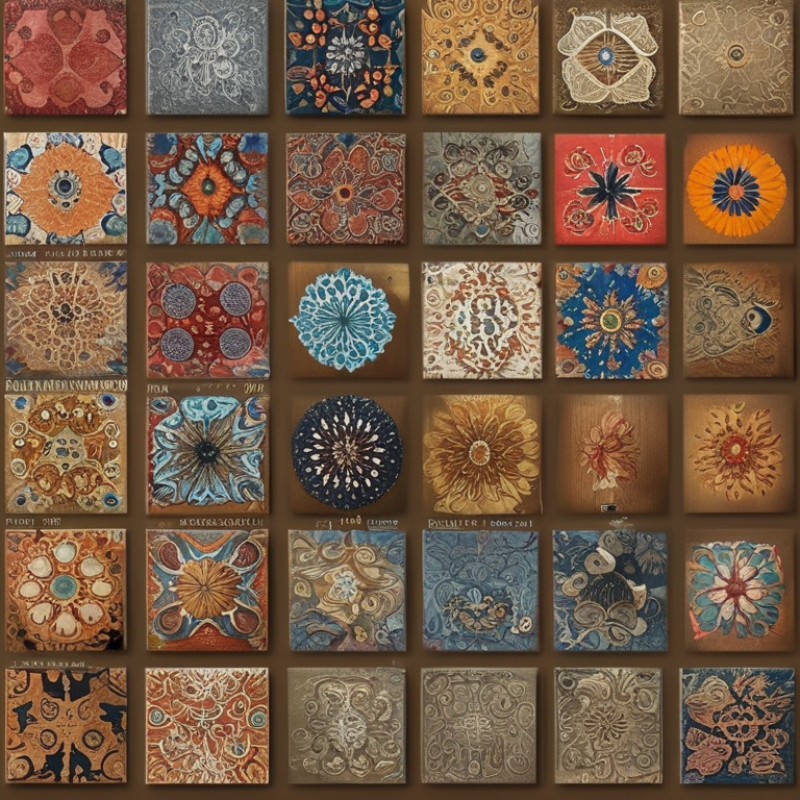
Understanding the Importance of Exquisite Pattern Designs in Global Sourcing
Exquisite pattern designs play a vital role in global sourcing. They not only enhance product appeal but also reflect cultural values and craftsmanship. According to a recent industry report, 70% of consumers are influenced by product design in their purchasing decisions. Well-designed patterns can lead to higher sales and customer loyalty.
When sourcing patterns, consider the target market’s preferences. Research shows that 65% of buyers appreciate unique, culturally relevant designs. Engaging with local artisans can provide insights into regional aesthetics. This connection can ensure that designs resonate well with the intended audience. Consider online platforms and trade shows dedicated to textile sourcing for inspiration.
Look for inspiration in diverse environments. Visiting art galleries, nature parks, or historical sites could spark creativity. It’s essential to combine this creativity with market research. Sketching ideas can help visualize concepts before sourcing them. Reflect on what has been done and what new elements can be introduced. Adaptation is key in maintaining relevance.
Researching Global Markets for Unique Pattern Design Trends
In the quest for exquisite pattern designs, understanding global markets is crucial. Patterns reflect local culture, traditions, and trends. Each region offers unique inspirations that can elevate your design portfolio. For instance, exploring Southeast Asian textiles reveals intricate batik patterns. These designs are rich in history and meaning, showcasing floral motifs and geometric shapes. Being aware of such details is vital for ensuring authenticity and relevance in your sourcing strategy.
However, researching global markets requires effort and diligence. Attending international trade shows can be enlightening but also overwhelming. Prices may vary widely, and quality can be inconsistent. It’s essential to build relationships with local artisans and designers. This helps in accessing exclusive designs that are not mainstream. Engaging with local communities offers insights into emerging trends and their contexts.
Exploring social media platforms can also unveil fresh perspectives. Platforms like Instagram feature international artists sharing their pattern work. However, discerning which trends are fleeting or substantial can be tricky. Market research is not an exact science; it requires continuous observation and adaptation. This journey can be both exciting and uncertain, demanding time and reflection. Recognizing that not every trend will resonate with your target audience is part of the learning process. Embrace the intricacies, even when the path is unclear.
Exquisite Pattern Designs Trends in Global Markets
Utilizing Design Databases and Portfolios for Pattern Inspiration
In today's competitive landscape, sourcing exquisite pattern designs requires a keen eye and resourceful tools. Design databases and portfolios serve as invaluable resources for inspiration. According to a report by the Global Design Alliance, 75% of successful designers regularly utilize these databases to identify trends and refine their style. By familiarizing yourself with platforms that aggregate patterns from around the world, you can gain insights into diverse aesthetics and cultural influences.
When exploring these databases, focus on real-world application. Analyze which patterns resonate with consumers. Look for motifs that reflect current market demands, and test them in various contexts. For example, a recent study highlighted that geometric patterns increased consumer engagement by 40% in the home décor industry. This trend underscores the importance of aligning design choices with consumer preferences.
Keep in mind that not every pattern will succeed. Consider the need for iterations. Gather feedback and be open to adjusting designs based on client insights. Developing a consistent review strategy can lead to more refined outcomes. Search for portfolios that offer not only inspiration, but also critical assessments of design choices, helping you avoid pitfalls. Engaging with the design community can also foster collaboration and innovation—essential elements for growth in global sourcing.
Collaborating with Designers and Artists for Custom Pattern Creations
Collaborating with designers and artists can lead to unique and exquisite pattern designs. Many global brands now prioritize custom patterns to stand out in a saturated market. According to a recent report from the Global Industry Analysts, custom design services in the fashion and home decor sectors are projected to grow by over 8% annually through 2026. This trend highlights the importance of originality and the need for collaboration with creative minds.
Working directly with artists allows for a fresh perspective. Artists bring their cultural background and personal experiences into their designs, creating patterns that resonate with diverse audiences. Engaging in collaborations ensures your patterns can stand out and remain relevant. However, it can be challenging to find the right artist who aligns with your vision. Researching portfolios and conducting interviews can help in making informed choices.
It's beneficial to maintain open communication. Establish clear expectations about design direction, timelines, and budgets. Frequent check-ins can keep projects on track and help artists feel valued. Sometimes, initial designs may not meet expectations, encouraging a reflective approach. Flexibility and adaptation can enhance the final outcome and result in more innovative patterns.
Evaluating Quality and Cultural Relevance in Pattern Selection
Finding exquisite pattern designs for global sourcing involves evaluating quality and cultural relevance. Patterns must resonate with target audiences. Data from the Global Market Insights report indicates that the textile and fabric industry is projected to reach $1 trillion by 2026. This growth highlights the importance of cultural considerations in pattern selection.
Cultural relevance can enhance the appeal of a design. For example, motifs inspired by traditional art can engage consumers on a deeper level. However, it is crucial to recognize the risk of misrepresentation. Some patterns may unintentionally appropriate cultural symbols. Market research shows that 78% of consumers prefer authentic cultural references. This necessitates a nuanced understanding of the origins and meanings behind specific designs.
Consider local tastes and trends when sourcing patterns. Collaborating with local designers can provide valuable insights into preferred styles. Engaging in community discussions can also help ensure respect for culture. Quality matters as well; high-quality patterns enhance the overall product and customer satisfaction. A study from the Fabric Design Association reveals that 70% of buyers prioritize quality over price. Designers should examine the material weight, print clarity, and color fastness when reviewing samples.
How to Find Exquisite Pattern Designs for Global Sourcing? - Evaluating Quality and Cultural Relevance in Pattern Selection
| Pattern Name | Quality Rating (1-10) | Cultural Relevance | Region of Origin | Material Type |
| Geometric Mosaic | 9 | High | Middle East | Ceramic |
| Floral Batik | 8 | Moderate | Southeast Asia | Cotton |
| Indigenous Weave | 10 | Very High | South America | Wool |
| Abstract Lines | 7 | Low | Europe | Polyester |
| Animal Motif | 6 | Moderate | Africa | Silk |