Essential Tips for Effective Offset Printing Inspection How to Ensure Quality?
In the world of printing, Offset Printing Inspection is a critical step in ensuring high-quality outcomes. As businesses strive for excellence, the inspection process cannot be overlooked. It is the safeguard against errors that can compromise the integrity of printed materials.
Quality control in offset printing involves meticulous attention to detail. Inspectors must be skilled and knowledgeable in recognizing potential issues, such as color discrepancies, registration misalignments, and paper defects. Each printed sheet deserves careful scrutiny. This ensures that the final product meets both client expectations and industry standards.
However, even experienced professionals can miss flaws. The complexity of printing techniques means that challenges arise frequently. Constant learning and adaptation are essential for inspectors. They must develop a keen eye for the subtleties that can affect print quality. By embracing a culture of continuous improvement, businesses can enhance their offset printing inspection processes, ultimately delivering better results for their clients.
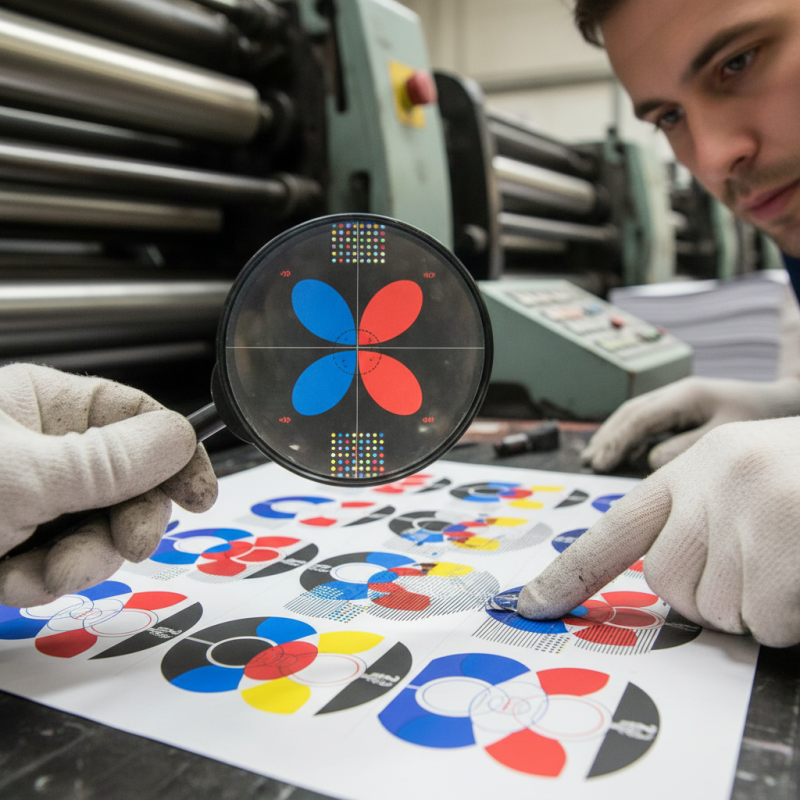
Importance of Offset Printing Inspection in Quality Control
Offset printing inspection is crucial for maintaining high-quality standards. It ensures that the final product meets specifications. Inaccuracies in color, alignment, and print quality can lead to costly reprints. Failing to catch these issues early affects brand reputation. An experienced inspector identifies discrepancies that might go unnoticed.
Quality control relies heavily on ongoing inspection throughout the printing process. This includes check points at various stages—pre-press, press, and post-press. Each stage brings unique challenges. For instance, during the ink application phase, inconsistencies may arise from ink viscosity variations. Inspectors should measure color density continually. Using a color spectrophotometer provides real-time data, ensuring compliance with standards.
It's essential to create a systematic approach for reviews. Inconsistencies should be documented, leading to actionable insights. Implementing regular feedback loops improves overall efficiency. Inspectors can revisit areas showing frequent issues. This self-reflection can foster a culture of continuous improvement. Ensuring rigorous offset printing inspection elevates quality control and enhances trust with clients.
Key Inspection Stages in the Offset Printing Process
In offset printing, inspection is crucial to maintain high quality. The process has several key stages that require attention. Pre-press, printing, and post-press are integral parts where quality can falter. A report by Printing Industries America states that 75% of print defects occur during these stages. Identifying issues early can save time and resources.
Pre-press involves assessing artwork and proofs for accuracy. Slight misalignments can lead to significant discrepancies in the final product. During printing, monitoring ink density and registration is vital. Studies show that even a 10% variation in ink density can alter color quality drastically. Operators must be diligent in calibrating equipment and conducting regular tests.
Post-press, often overlooked, is essential for final product quality. Cutting, folding, and binding must be precise. In many cases, operators may notice minor flaws, yet they don’t always act on them. Research indicates that 30% of print jobs face issues in post-press, affecting overall satisfaction. Hence, a thorough inspection at every stage is necessary to enhance reliability and ensure excellence in offset printing.
Essential Tools and Techniques for Effective Inspection
When it comes to offset printing, inspection plays a crucial role in ensuring quality. Utilizing the right tools can make all the difference. One essential tool is a colorimeter. This device measures color accuracy. It helps identify any discrepancies in color reproduction early on. Consistent color is vital for brand integrity.
Another important tool is a ruler or caliper. Accurate measurements are crucial in printing. They ensure that the final product matches specifications. Regular checks can prevent costly errors. It’s easy to overlook details, yet these can define the overall quality.
Practicing effective inspection requires discipline. Inspectors should develop a routine. This routine should include visual checks for alignment and registration. Additionally, make sure to document any issues. Reflecting on these records helps to identify trends and areas for improvement. Mistakes can teach valuable lessons. Recognizing patterns in errors reinforces the need for careful observation.
Essential Tips for Effective Offset Printing Inspection
This bar chart illustrates the key factors affecting the quality of offset printing inspection. Each factor is measured based on its impact level from 1 to 10, where 10 represents the highest impact.
Common Defects to Look for During Offset Printing
Offset printing is a complex process that can lead to various defects. Understanding these potential issues is essential for maintaining quality. One common defect is color inconsistency. This occurs when colors appear different across prints. It’s crucial to use calibrated equipment and check color samples frequently.
Another defect to be aware of is misregistration. This issue can result in images or text appearing out of alignment. Inspecting registration marks regularly can help catch this problem early. Additionally, moire patterns can arise from improper screen angles. This can ruin the overall appearance of the printed material.
Paper quality can also lead to defects. Warped or damaged paper may affect the printing process, causing issues like ink bleed or poor adhesion. Ensure the paper is stored in a controlled environment to mitigate these risks. Regularly examining finished prints for these defects is vital. Each inspection provides an opportunity to improve processes and learn from mistakes. Quality control in offset printing demands vigilance and attention to detail.
Best Practices for Documenting and Addressing Inspection Results
Effective offset printing inspection is crucial in maintaining quality. Documenting inspection results plays a vital role in this process. Detailed records provide insight into production issues, enabling teams to identify patterns over time. Proper documentation ensures that even minor discrepancies can be tracked and addressed swiftly.
Addressing inspection results includes a systematic approach. Create clear checklists to evaluate print quality. Record any defects observed during inspections. It is important to communicate these findings with the production team. Regular discussions about inspection results foster a culture of quality awareness. This practice can reveal overlooked areas for improvement.
Reflecting on inspection outcomes is equally important. Consider why certain defects occur repeatedly. Analyzing these trends can lead to better processes and materials. Engaging all team members in this reflection cultivates a collaborative effort towards excellence. Developing a feedback loop transforms inspection from a mere checklist into a powerful tool for continuous improvement.
Essential Tips for Effective Offset Printing Inspection
| Inspection Aspect | Best Practices | Common Issues | Resolution Steps |
| Color Consistency | Use calibrated monitors and color profiles | Color variations in prints | Recalibrate and adjust printer settings |
| Print Alignment | Perform regular alignment checks | Misaligned prints | Adjust printing guides and margins |
| Print Density | Monitor ink density regularly | Too light or too dark prints | Adjust ink levels and settings |
| Paper Quality | Use recommended paper stocks | Tears or wrinkles in prints | Change paper and inspect handling procedures |
| Finishing Details | Evaluate trimming and binding before approval | Improperly finished products | Recheck cutting and binding processes |