How to Choose the Right Corrugated Packaging for Your Products?
Choosing the right corrugated packaging is crucial for any product. The right materials can significantly affect product safety and business reputation. Corrugated packaging offers durability and flexibility, which many brands appreciate.
When selecting corrugated packaging, consider product size and weight. Will it hold up during shipping? You may need different types for fragile items versus heavier ones. Think about moisture resistance too, as some products could be damaged easily.
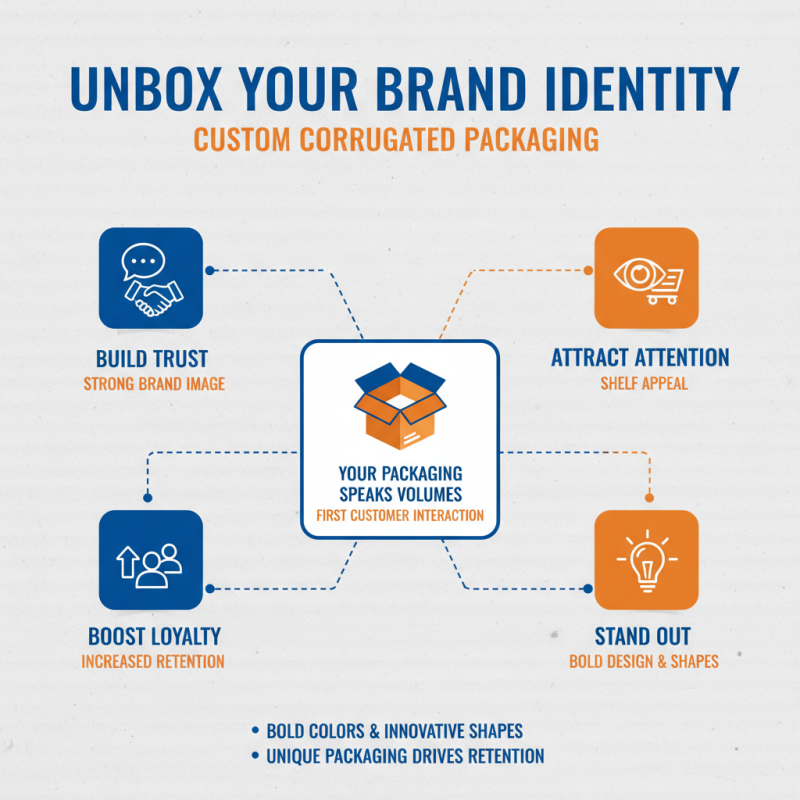
Moreover, aesthetic appeal matters in branding. Custom designs can enhance customer experience, but budgets may limit options. Reflect on your choices to ensure they align with your brand message. Packaging is more than just protection; it's part of your identity.
Understanding the Importance of Corrugated Packaging for Products
Corrugated packaging plays a crucial role in protecting products. Its structure is designed to absorb shocks and withstand pressure during transportation. This type of packaging is lightweight yet sturdy. It prevents damage, ensuring products arrive safely to customers. Many businesses underestimate this importance. They might choose cheaper alternatives that offer less protection.
Consider the materials used in corrugated packaging. The quality directly impacts the safety of your products. Using double-wall corrugated boards can provide enhanced strength. It’s essential to evaluate the size and shape of your items, too. Ill-fitting packaging can lead to wasted space and higher shipping costs. Neglecting these details often leads to regret later.
Sustainability is also a factor to ponder. Consumers increasingly prefer eco-friendly choices. Corrugated packaging can be recycled and reused. This not only reduces waste but adds value to your brand. However, do not rush into decisions. Reflect on your product’s needs and market expectations carefully. Making the right choice requires thoughtful consideration.
How to Choose the Right Corrugated Packaging for Your Products?
| Product Type |
Box Strength (ECT) |
Dimensions (L x W x H, inches) |
Weight Capacity (lbs) |
Recommended Flute Type |
| Electronics |
32 ECT |
24 x 18 x 12 |
50 |
B Flute |
| Food Products |
44 ECT |
12 x 12 x 10 |
30 |
C Flute |
| Cosmetics |
32 ECT |
10 x 7 x 5 |
20 |
E Flute |
| Clothing |
32 ECT |
18 x 12 x 6 |
40 |
B Flute |
| Toys |
32 ECT |
15 x 10 x 8 |
25 |
C Flute |
Key Factors to Consider When Selecting Corrugated Packaging Materials
Choosing the right corrugated packaging involves several key factors. Material quality is vital. Reports indicate that over 30% of product damage results from inadequate packaging. A robust material can reduce this risk significantly. Choose corrugated options that offer sufficient strength for your product type. Test different wall types, such as single-wall or double-wall constructions, to ensure the best protection.
Design plays an essential role too. The packaging's shape and size should fit your products perfectly. Poorly fitted packaging can lead to movement during transport, increasing the chances of damage. According to a recent study, 25% of firms reported higher costs due to returns from damaged goods. Additionally, consider the aesthetics; a well-designed package can enhance brand perception.
Sustainability cannot be overlooked. A significant 66% of consumers prefer brands that use eco-friendly packaging. Opt for recyclable and biodegradable materials. This choice impacts not just the environment, but also your brand image. However, finding the right balance between cost and sustainability is challenging. Regularly review your packaging solutions for improvements and reflect on their effectiveness.
Types of Corrugated Packaging: Single-wall vs. Double-wall and More
Choosing the right corrugated packaging can be tricky. The most common types are single-wall and double-wall options. Each serves different needs and product types.
Single-wall boxes are lighter. They’re great for lightweight items. They offer basic protection. However, they may not hold up against heavier loads.
On the other hand, double-wall boxes are more robust. They consist of two layers of corrugated material. This design makes them ideal for fragile or heavy products. They can withstand more pressure and stacking. This can reduce damage during shipping. However, they may be overkill for some items. Considering the specifics of your product is crucial.
When examining options, think about costs too. Sometimes, businesses opt for cheaper packaging. Yet, this can lead to increased returns due to damage. Investing in the right type can save money down the line. Balance is key in your selection process. Reflect on how your choices impact both the product and the customer's experience.
Sustainability in Corrugated Packaging: Options and Benefits
Sustainable packaging is more than just a trend. It’s a necessity. When choosing corrugated packaging, consider eco-friendly options. Many manufacturers now offer recyclable materials. These materials reduce waste and carbon footprints.
Using sustainable packaging can enhance your brand’s image, appealing to environmentally conscious consumers.
Tips: Always check the recycling labels. Look for materials made from recycled content. It’s crucial to know where your packaging comes from. Some options may look appealing but have hidden environmental costs.
Life cycle assessments can guide you. Understand the impact of your choices. Not all packaging is equal. Some may biodegrade, while others do not. Selecting the right type of corrugated box matters. It should protect your product while minimizing environmental harm.
Experiment with different designs. Find what suits your needs best without compromising sustainability.