Best Packaging Materials for Worldwide Sourcing Needs?
In today's global marketplace, selecting the right packaging materials is crucial for businesses. Various industries rely on effective packaging to ensure product safety during transportation. The choice of packaging materials can significantly impact costs and sustainability.
Many suppliers offer a range of options, from cardboard boxes to biodegradable wraps. Each material has its pros and cons. For instance, while cardboard is economical, it may not provide sufficient protection for fragile items. Sustainable choices can resonate well with eco-conscious consumers. However, they often come at a higher price.
Understanding your sourcing needs is essential. Every product type may demand specific features in packaging materials. It's a complex decision, often requiring trial and error. Ultimately, businesses must evaluate their priorities. Balancing costs, effectiveness, and environmental responsibility is no easy task, and one that requires constant reflection and adjustment.
Types of Packaging Materials for Global Sourcing
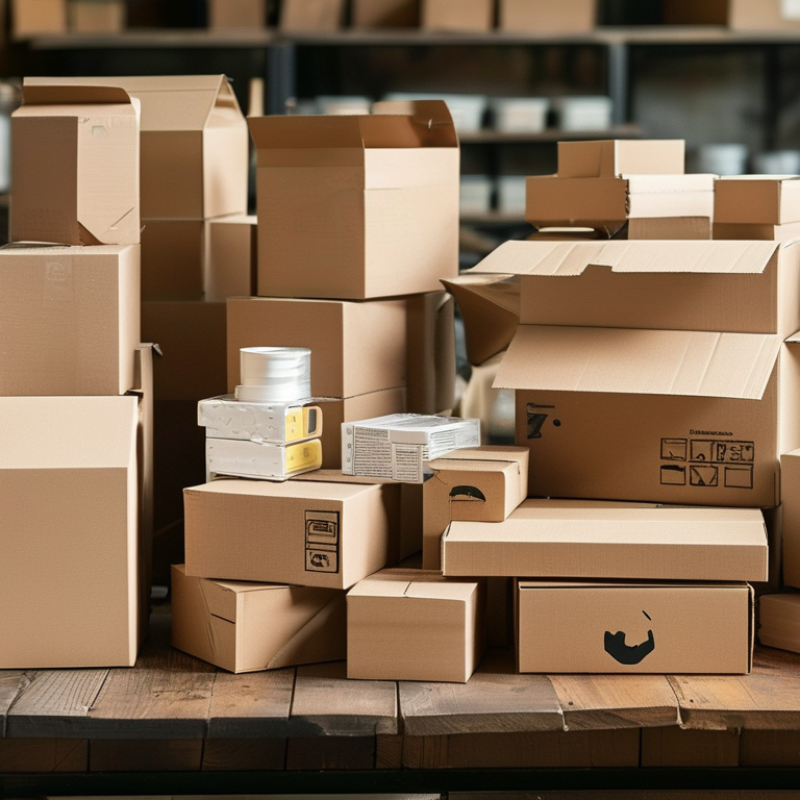
When it comes to global sourcing, the choice of packaging materials is crucial. Different materials serve distinct purposes. For instance, corrugated boxes are widely used due to their strength and recyclability. According to a recent report by Smithers Pira, the global market for corrugated packaging is expected to reach $335 billion by 2026, emphasizing its growing significance in international trade.
Plastic is another vital packaging material. It's lightweight and offers excellent barrier properties. In 2021, the global plastic packaging market was valued at approximately $400 billion and is projected to grow steadily. However, the environmental impact of plastic is a concern. Many companies are now seeking biodegradable options. Innovative materials like mushroom packaging are gaining interest, but scalability remains a challenge.
Glass packaging is favored in industries like food and beverages due to its inert nature. While it provides an unmatched preservation quality, weight and breakability pose logistics issues. A report from Markets and Markets highlights a shift towards eco-friendly glass options, as consumers demand sustainable practices. The diverse qualities of packaging materials can complicate sourcing decisions, necessitating careful evaluation of both performance and environmental impact.
Factors to Consider When Choosing Packaging Materials
Choosing the right packaging materials is crucial for any business. The ideal packaging protects the product and enhances its appeal. Factors such as durability, sustainability, and cost play a significant role in the decision-making process.
Durability ensures the product arrives safely to its destination. Fragile items require cushioning materials, while heavier goods need sturdy boxes. Evaluating the supply chain can help identify what works best. Sustainability is equally important. Eco-friendly materials are increasingly favored by consumers. However, assessing the availability and cost of these materials can be challenging.
Cost cannot be overlooked. It’s essential to balance quality and affordability. This balance may require several iterations of design and materials. Each choice influences the overall budget. Reflecting on past experiences is valuable. Mistakes in packaging selection can lead to wasted resources and customer dissatisfaction. Taking the time to evaluate all these factors is vital for effective packaging solutions.
Sustainable Packaging Options for International Shipping
Sustainable packaging is essential for international shipping. Many businesses recognize the growing need for eco-friendly materials. They want to reduce their carbon footprint while efficiently delivering products worldwide. A variety of options exists to meet these goals.
Biodegradable materials, like cornstarch, offer a practical alternative to traditional plastics. They break down naturally, minimizing waste in landfills. Recycled cardboard and paper are also great choices. These materials require less energy to produce and can be recycled again. While these options are effective, the supply chain must be managed wisely. Sourcing them can present challenges, as not all suppliers adhere to the same sustainability standards.
Using renewable resources like plant-based films is another route. These materials can provide durability without harming the environment. However, they may not always be as readily available as conventional options. Companies need to invest time in researching reliable suppliers. It’s crucial to ensure the sustainability claims are verified. The journey toward sustainable packaging is ongoing and requires constant reflection and adjustment.
Best Packaging Materials for Worldwide Sourcing Needs - Sustainable Packaging Options for International Shipping
| Material Type |
Sustainability Rating |
Ideal Use Case |
Cost Efficiency |
Recyclability |
| Kraft Paper |
High |
Shipping boxes, Wrapping |
Low |
Yes |
| Biodegradable Plastics |
Medium |
Packaging for perishable goods |
Moderate |
Yes |
| Recycled Cardboard |
Very High |
Product boxes, Display stands |
Low |
Yes |
| Mushroom Packaging |
High |
Fragile items, Electronics |
High |
Yes |
| Plant-Based Foam |
Medium |
Protective packaging for electronics |
Moderate to High |
Yes |
Cost-Effective Packaging Solutions for Worldwide Distribution
Choosing the right packaging materials is essential for global distribution. Cost-effective options save money without compromising quality. Sustainable materials, like recycled paper and biodegradable plastics, are gaining popularity. They are friendly to the environment and reduce waste. Buyers look for products that meet shipping standards while being affordable.
Lightweight packaging is another important consideration. It lowers shipping costs and is easier to handle. Companies often overlook the importance of weight and choose bulky materials. This can lead to higher expenses and inefficient logistics. Using the right dimension-sizing can also cut costs significantly.
Evaluating the durability of materials is crucial. They should protect products during transit. Risky choices can lead to damaged goods and unhappy customers. Companies should constantly reassess their packaging strategies. Occasionally, what worked in the past may not suit current needs. Adapting to trends can foster innovation and maintain competitiveness.
Best Packaging Materials for Worldwide Sourcing Needs
This chart illustrates the cost-effectiveness of different packaging materials suitable for worldwide distribution. The data showcases common materials used in logistics and their average costs per unit in USD.
Innovative Packaging Technologies Meeting Global Needs
In today's global marketplace, innovative packaging technologies are vital. Businesses require solutions that meet diverse requirements while ensuring product safety. Sustainable materials are gaining traction, leading to eco-friendly packaging that resonates with conscious consumers.
Advanced technologies are reshaping traditional packaging methods. Smart packaging, for instance, now incorporates sensors. These can monitor freshness and enhance supply chain transparency. However, implementing these technologies may pose challenges. Companies must balance cost with innovation, which can lead to difficult choices.
Despite advancements, the industry faces hurdles. Not all materials are universally suitable, leading to a need for localization. Packaging giants strive to meet global standards, but regional differences often complicate this process. Finding the right balance of quality, sustainability, and functionality remains a pressing issue. It's clear that the journey toward innovative packaging is ongoing, with much to learn along the way.