...

Blog

Home Blog

What are the Benefits of Embossing and Foil Stamping?

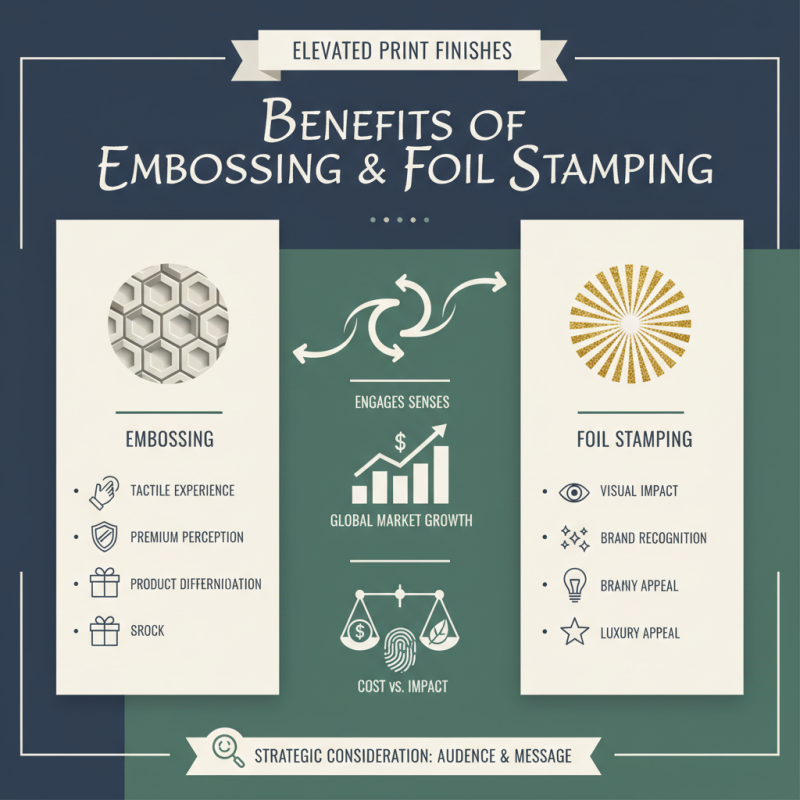
Embossing And Foil Stamping are two prominent techniques that significantly elevate the aesthetics of printed materials. According to a recent report by Smithers Pira, the global market for embossing and foil stamping is expected to reach $3.3 billion by 2025. This growth highlights a strong consumer preference for tactile and visually striking print designs. As Mike Johnson, a leading expert in print finishing, states, "Embossing and foil stamping not only enhance visual appeal but also engage the senses of touch and sight."

These techniques create memorable brand experiences. Businesses leverage embossing and foil stamping to differentiate their packaging and promotional materials. Products that incorporate these features often stand out on crowded shelves. However, while the benefits are clear, companies must consider the balance of cost versus impact. The right application can lead to a stunning result, but poor choices may lead to mismatched branding.

In an age where digital communication dominates, tactile experiences are rare and valuable. Consumers are increasingly drawn to products that offer sensory engagement. Investing in embossing and foil stamping can be a game-changer, but businesses must evaluate their target audience and overall messaging carefully. The potential rewards are high, yet the execution requires thoughtful consideration.
What are the Benefits of Embossing and Foil Stamping?

Benefits of Embossing in Print Media

Embossing offers a tactile experience that engages the audience. Research shows that embossed print materials can increase the likelihood of consumers remembering a brand by up to 70%. This sensory element creates a tangible connection that flat printing fails to achieve. When a person touches an embossed surface, they interact more deeply with its message. This can lead to better brand recall.

Foil stamping adds another layer to printed materials. The shiny finish draws the eye and highlights key information. Brands can experience a 30% increase in perceived value when using these techniques. High-quality visuals paired with texture elevate marketing collateral. While many companies understand these benefits, some hesitate due to costs. However, the resulting attention and engagement often justify the investment.

Not all embossing techniques yield the same results. Simple designs may look unappealing if not executed well. It's vital to reflect on the choices made during design. Engaging professionals with experience in embossing can create impressive results, but not every designer has the same level of expertise. Updating techniques as industry trends evolve is crucial for maintaining effectiveness.

Advantages of Foil Stamping for Branding

Foil stamping is a powerful technique for enhancing branding. This method applies metallic or pigmented foil to a surface, creating a striking visual impact. It grabs attention immediately, making branding materials stand out. The reflective quality of foil enhances the perceived value of the product or service. This not only attracts consumers but also leaves a lasting impression.


Using foil stamping can elevate a brand’s image. When combined with embossing, textures add depth and engagement. Logos, packaging, and promotional materials gain a premium feel. However, brands must avoid overusing this technique. Subtle applications often yield better results than overwhelming designs. Consumers may find excessive embellishment excessive or distracting, which can detract from the brand message.


Crafting a branding strategy with foil stamping requires careful consideration. Choosing the right colors and finishes is essential. Brands should align these choices with their identity. A well-thought-out approach helps maintain consistency. However, experimenting with different styles can lead to unexpected insights and improvements. Reflecting on these methods can ultimately strengthen the brand’s presence in the market.

Comparative Analysis: Embossing vs. Foil Stamping

Embossing and foil stamping are two popular techniques in the world of print design. Each method has its unique benefits and can enhance the visual appeal of products. Understanding their differences is crucial when choosing the right technique for your project.

Embossing creates a raised effect on paper. This process adds texture and depth. It makes designs pop and feel tactile. However, it can be limited in color. The embossed areas usually remain the color of the paper. This might not always be desired, especially if bold colors are sought.

Foil stamping, on the other hand, uses metallic or pigment foil. This method produces striking contrasts and vibrant colors. It can bring attention to specific details within a design. While foil stamping offers stunning visual flair, it lacks the tactile quality of embossing. The choice between them often depends on the intended outcome.

Tips: When deciding between these techniques, consider the materials you are working with. Not all paper types work well with embossing. Additionally, think about the overall feel you want your design to convey. A combination of both can offer a unique result that satisfies both visual and tactile senses. Don't shy away from experimenting; sometimes a little trial and error leads to the best designs.

What are the Benefits of Embossing and Foil Stamping? - Comparative Analysis: Embossing vs. Foil Stamping

Aspect Embossing Foil Stamping
Visual Appeal Creates a tactile and three-dimensional effect, enhancing visual interest. Adds shiny, metallic accents that attract attention and convey luxury.
Brand Identity Can reinforce brand identity through unique patterns and textures. Helps brands stand out with elegant and eye-catching designs.
Cost-effectiveness Generally more affordable than foil stamping, especially in larger quantities. Can be more expensive due to specialized materials and processes required.
Durability Highly durable and resistant to wear over time, maintaining its texture. May wear off over time, especially if exposed to friction or moisture.
Application Ideal for greeting cards, stationery, and packaging that require a touch of elegance. Perfect for high-end products, book covers, and promotional materials.

Applications of Embossing and Foil Stamping in Marketing

Embossing and foil stamping are widely used in marketing to enhance brand visibility and create a memorable impression. These techniques add texture and richness to printed materials, making them stand out in a saturated market. For instance, a business card with embossed designs feels more luxurious. This tactile experience leaves a lasting impact on potential clients.

Brochures that use foil stamping catch the eye with their shiny accents. They can highlight key messages or brand logos, drawing attention quickly. Advertisements that include these techniques are often perceived as more professional and trustworthy. However, the cost of these processes can be a deterrent. Businesses must weigh quality against expense carefully.

While embossing and foil stamping yield significant benefits, they also require careful design planning. Poor execution can lead to cluttered designs that confuse rather than entice. Additionally, timing is crucial; incorporating these methods late in the design process can lead to stress and oversights. Reflecting on these challenges can help marketers approach their projects with more clarity and intention.

Benefits of Embossing and Foil Stamping in Marketing

Cost Considerations for Embossing and Foil Stamping Techniques

Embossing and foil stamping can elevate your printed materials, but they come with cost considerations. These techniques create a tactile and visual depth. However, achieving this quality often involves higher production costs. Understanding where to allocate your budget is essential.

When choosing between embossing and foil stamping, think about your project’s goals. Intricate designs may require more time and specialized equipment, leading to increased costs. A simpler design could provide a similar impact while being more budget-friendly. Check multiple suppliers to compare quotes.

Tips: Consider running a smaller test batch to evaluate the technique's impact before committing to a larger order. Always ask about minimum order quantities, as these can affect your pricing. Emphasize your design’s purpose to ensure the visual features justify the costs. Approach your designs with a clear focus, but don’t fear to refine your ideas. It’s crucial to strike a balance between costs and the desired aesthetic.

Need Packaging Solutions?

Get Free Estimate!

1-800-493-7441
Contact Us