2026 Top Trends in Creative Packaging Design for Brands and Businesses?
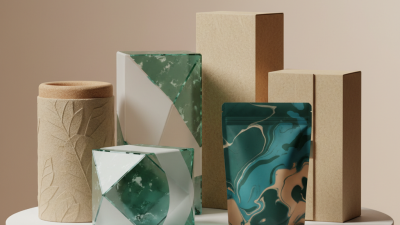
In the dynamic world of branding, packaging plays a vital role. The way brands create packaging can significantly influence consumer perception. In 2026, we observe exciting trends shaping this aspect of design. Brands are increasingly focused on sustainability. Eco-friendly materials and practices are more than just a trend; they’re a necessity.
Creativity is at the forefront. Many brands aim to create packaging that tells a story. Unique shapes, vibrant colors, and interactive designs captivate consumers’ attention. However, not all designs hit the mark. Some brands struggle to balance aesthetics and functionality, leading to missed opportunities.
Experimentation with new technologies is also growing. Brands use augmented reality to enhance the packaging experience. Yet, there’s a risk of overwhelming consumers with complex interactions. The key to success lies in finding harmony. As these trends develop, brands must reflect and adapt. The future of packaging is bright, but it requires careful consideration.
Emerging Materials for Sustainable Packaging Solutions in 2026
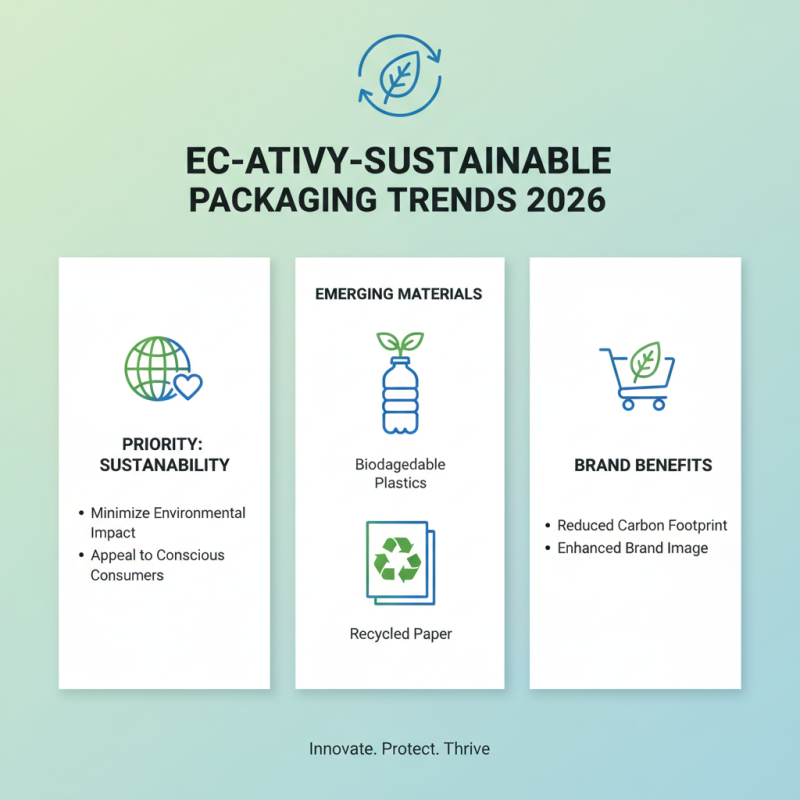
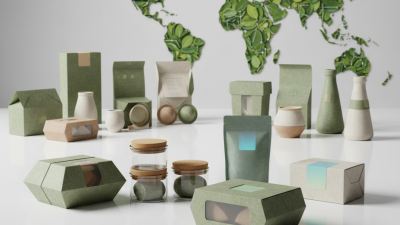
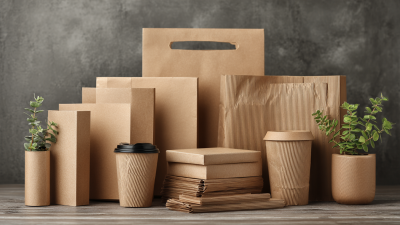
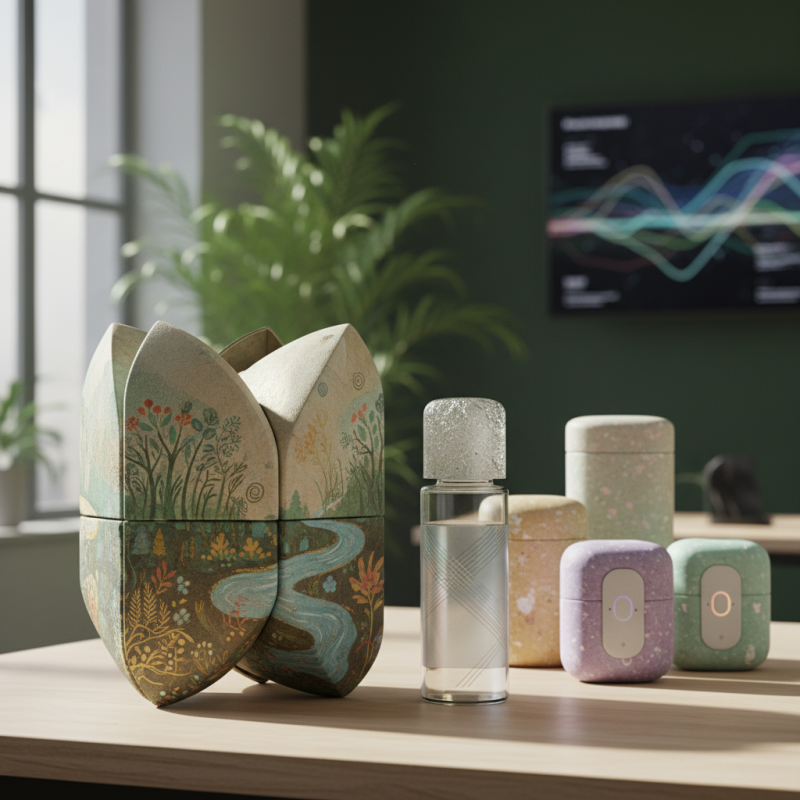
Creative packaging in 2026 is leaning heavily towards sustainability. Brands recognize the importance of eco-friendly materials. Emerging options include biodegradable plastics and recycled paper. These materials minimize environmental impact while appealing to conscious consumers.
Incorporating natural fibers is another trend. Materials like hemp and bamboo are gaining popularity. They offer strength and a unique texture. Brands that choose these materials often attract attention for their innovation. However, sourcing can be challenging. Not all materials are readily available.
**Tip: Experiment with local suppliers.** They might offer unique materials that align with your brand values.
Another exciting area is the use of plant-based inks. These inks reduce toxic chemicals in packaging. However, they may not always provide vibrant colors. An understanding of this trade-off is essential.
**Tip: Test different inks.** This can help find a balance between aesthetics and sustainability. As brands move forward, reflection on the material choices will be crucial.
Innovative Printing Techniques Transforming Brand Identity in Packaging
Innovative printing techniques are revolutionizing packaging design. Brands are now able to express their identity in unique ways. Techniques like digital printing allow for personalized messages. This fosters a deeper connection with consumers. Colors pop, details shine, and visuals grab attention.
One important tip for brands is to embrace new materials. Eco-friendly options can enhance your packaging. Sustainable practices resonate with today’s consumers. However, some brands still cling to traditional methods. This hesitation can lead to missed opportunities. Experimenting with various substrates can lead to exciting outcomes.
Another tip involves thinking outside the box. Use textures and finishes creatively. Spot UV and embossing can add depth. These elements create a tactile experience. Yet, many designs overlook this aspect. It’s crucial to reflect on the overall impact. Simplistic designs may not always stand out. Balancing simplicity with innovation is essential for success.
Interactive and Smart Packaging: Engaging Consumers through Technology
Interactive and smart packaging is transforming the way brands connect with consumers. This trend allows for real-time engagement through technology. For instance, packaging embedded with QR codes enables instant access to product information. Consumers scan these codes for exclusive content, promotions, or tutorials. It creates a rich experience that goes beyond the product itself.
Yet, not all implementations offer a seamless interaction. Some consumers may find technology overwhelming or confusing. Poor design can lead to frustration rather than engagement. Brands need to consider user experience carefully. It is essential to balance innovation with simplicity. This demands continuous feedback from consumers during the design phase.
Moreover, smart packaging can support sustainability. Sensors embedded in the packaging can monitor freshness. This reduces food waste and enhances consumer trust. However, challenges remain. The integration of technology should not compromise the packaging’s eco-friendliness. Companies must innovate responsibly. Achieving a harmonious blend of creativity and technology is crucial for future success.
Minimalist Design Trends Redefining Aesthetics in Product Presentation
Minimalist design trends are changing how products are presented. Brands are shifting toward simplicity. A McKinsey report indicates that 90% of consumers prefer clean and simple aesthetics. This trend emphasizes functionality, where less is more. Packaging that embraces minimalism often uses fewer colors and straightforward fonts. Such designs attract consumers looking for clarity and ease.
The challenge lies in standing out. While minimalism offers sophistication, it can sometimes blend products into the background. A survey found that 70% of millennials want packaging that tells a story. This desire for narrative creates a tension between simplicity and engagement. Brands must balance minimalist aesthetics with distinctiveness. Effective use of negative space can highlight product features, but overdoing it risks losing attention.
Imagery plays a crucial role in minimalist packaging. High-quality visuals can elevate product appeal. Research by the Packaging Association shows that products using striking imagery alongside minimalist designs see a 30% increase in sales. Using texture and innovative materials brings tactility back into play, creating a deeper connection. However, brands must continuously evaluate their designs. Reflecting on consumer feedback is vital to ensure they resonate.
The Role of Personalization in Enhancing Customer Experience through Packaging
Personalization in packaging has become a game changer for brands. A recent report indicates that 79% of consumers prefer personalized experiences. When packaging is customized, it resonates better with customers. This connection enhances loyalty and encourages repeat purchases. It’s clear that people seek products that reflect their individual preferences.
Designing personalized packaging does require careful thought. Brands should know their audience well. Gathering data on customer behaviors can guide design choices. Simple elements like names or unique messages can make a huge difference. Consider limited edition designs or seasonal themes. These strategies evoke emotion and create a sense of urgency. However, brands must also remain authentic. Over-promising or delivering bland experiences can lead to disappointment.
Tips: Experiment with different personalization techniques. Test how consumers respond. Also, ensure that your packaging is eco-friendly. Sustainable options often appeal more to conscious shoppers. Finally, constantly gather feedback. Listen to your audience to rethink your packaging strategies regularly. Balancing creativity and sustainability is the key challenge.