...

Blog

Home Blog

10 Best Shipping Packaging Supplies for Global Buyers?

Global shipping is no longer a simple carton-and-tape exercise. Pitney Bowes reported 161.1 billion parcels worldwide in its 2023 Parcel Shipping Index, showing the scale of modern delivery networks. Every package may face conveyor impacts, vibration, compression, rain, humidity, and long storage periods.

This guide examines 10 best shipping packaging supplies for global buyers, including corrugated cartons, stretch film, void fill, moisture barriers, shipping labels, pallet straps, and tamper-evident tape. The selection considers protection, dimensional weight, handling efficiency, recyclability, and purchasing consistency. A box that survives a local van route may fail after several transfers across ports and warehouses. Small details matter. A crushed corner can expose glass, electronics, or textiles within seconds.

The World Bank’s 2023 Logistics Performance Index highlights the importance of reliable tracking, customs handling, infrastructure, and delivery performance. Packaging cannot solve every logistics weakness, but it can reduce avoidable damage and claims. The International Safe Transit Association also emphasizes testing packages against realistic distribution hazards, rather than judging strength by appearance alone. No shortlist is perfect. Material costs, climate exposure, product shape, and destination requirements can change the best choice. I have seen buyers overvalue cheap cartons and underestimate humidity. That mistake becomes expensive. Use this overview as a practical starting point, then confirm supplier specifications, packaging tests, labeling rules, and recycling requirements for each market.

10 Best Shipping Packaging Supplies for Global Buyers?

What Makes Shipping Packaging Supplies Essential for Global Buyers

What Makes Shipping Packaging Supplies Essential for Global Buyers

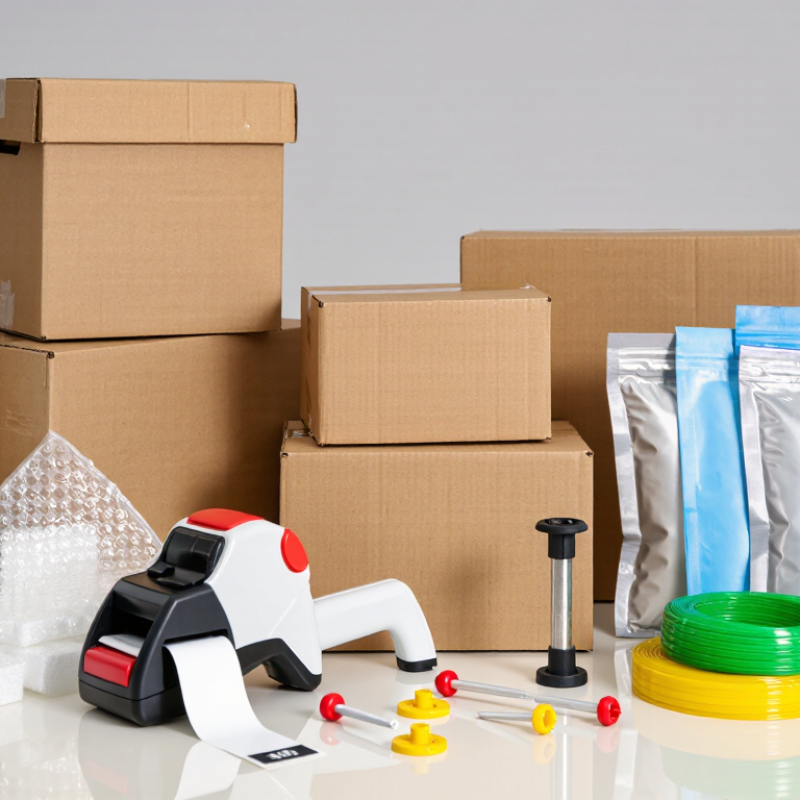
Global buyers need packaging that survives distance, handling, weather, and repeated transfers. A strong shipping setup may include corrugated cartons, padded mailers, paper void fill, bubble wrap, stretch film, edge protectors, strapping tape, moisture barriers, shipping labels, and tamper-evident seals. Each item addresses a different risk. A carton protects the product’s structure. Void fill stops movement. Moisture barriers help during humid port storage.

Packaging also affects delivery accuracy and customer trust. Clear labels must remain readable after rain, friction, and temperature changes. Strong tape prevents cartons from opening when stacked. Edge protectors reduce crushing on heavier shipments. In practical packing trials, a box can look secure but fail after a short vibration test. Small gaps matter. Very much.

Global buyers should match supplies to product weight, shape, climate, and transport method. Glass items need cushioning, while textiles may need breathable protection instead of excessive plastic. Oversized packaging increases freight volume and handling costs. Underpacking creates damage claims and replacement work. The cheapest option is not always economical. A careful buyer can test a sample shipment, inspect the corners, and record where damage begins. Even experienced teams miss details sometimes. That weakness deserves review, not excuses. Packaging decisions should also support clear documentation and safe, lawful international trade.

How to Choose Packaging Materials for Different Product Types

When choosing shipping packaging, start with the product’s weakness, not the box’s appearance. Glass needs impact protection, while clothing mainly needs moisture resistance and compression control. For electronics, use cushioning that limits movement and protects against static discharge. Food packaging requires clean, sealed, and temperature-appropriate materials. My first choice is not always the lightest option. A thin carton may reduce material use but fail after several transfers. The World Bank’s What a Waste 2.0 report estimates that the world generates 2.01 billion tonnes of municipal solid waste annually. Packaging decisions should therefore balance protection with material efficiency.

For fragile goods, combine a strong corrugated carton with molded pulp, paper padding, or properly sized air cushions. Test the packed item under vibration, drops, and compression before shipping internationally. ISTA testing protocols provide practical methods for simulating distribution hazards.

Moisture-sensitive products may need barrier bags, desiccants, and sealed cartons, especially during ocean transport. Heavy machinery needs reinforced corners, blocking, and load-bearing pallets. Avoid oversized boxes; empty space increases movement and shipping volume.

Eurostat reported 188.7 kilograms of packaging waste per person in the European Union in 2021, showing why material reduction matters. Still, reducing packaging too aggressively can create more waste through damaged products and replacements. The right material depends on route, climate, product value, and handling history. Test, record, and revise the pack design. Sometimes, the first version is wrong.

The 10 Best Shipping Packaging Supplies for International Orders

For international orders, the best shipping packaging supplies must survive distance, humidity, customs handling, and repeated transfers. The 2024 Global Parcel Shipping Index recorded 161.1 billion parcels worldwide in 2023. Packaging is operational, not decorative.

A strong ten-piece setup includes:

  • corrugated boxes
  • paper mailers
  • cushioning sheets
  • molded inserts
  • void-fill paper
  • water-resistant tape
  • thermal labels
  • document pouches
  • corner protectors
  • tamper-evident seals

Use double-wall boxes for dense goods and smaller cartons for cosmetics or spare parts. A 2023 International Post Corporation survey found that 67% of respondents had purchased from overseas sellers. Clear labels and secure documents reduce avoidable delivery friction. Follow ISO 780 handling symbols, but do not rely on symbols alone.

Moisture protection matters. Add a sealed inner bag when routes cross rainy ports or humid warehouses. Test packed cartons with compression and drop checks, following recognized transport-testing methods.

I still over-cushion fragile samples sometimes. It protects the product, but wastes space and raises freight emissions. A better approach uses a measured gap, usually two to five centimeters, with cushioning fitted tightly around the item.

One mistake remains. Reused cartons can hide weak corners, even when they look clean. Inspect every edge before sealing, and keep product details separate from exterior labels when privacy matters.

How to Compare Protection, Cost, Sustainability, and Customs Requirements

10 Best Shipping Packaging Supplies for Global Buyers?

Choosing packaging for international shipping requires more than finding the cheapest carton. In export trials, I compare double-wall cartons, molded-pulp inserts, corrugated dividers, paper void fill, honeycomb wrap, foam corner guards, air cushions, moisture absorbers, reinforced tape, and export labels. Protection comes first. A fragile product should survive vibration, compression, and a short drop onto a warehouse floor. Test the packed unit, not only the material. A strong box can still fail when internal movement leaves a ceramic item touching the wall.

Cost needs a wider view. Calculate material price, packing labor, dimensional weight, storage space, and replacement risk. Lightweight air cushions may reduce freight charges, while dense foam can increase them. Reusable plastic cases sometimes make sense for repeat shipments, but not for low-value, one-way orders. Sustainability is also practical. Choose right-sized cartons, recyclable paper protection, and minimal mixed materials when performance allows. “Green” packaging is not automatically better if it causes product damage and reshipping. That is easy to overlook.

Customs requirements deserve careful checking. Packaging should not hide product identity, country of origin, quantity, or handling information. Use accurate commercial descriptions and readable labels that match the shipping documents. Wood packaging may require treatment marks or specific documentation in some destinations. Verify current rules with the destination customs authority or a qualified broker. Requirements change. My own packing reviews are not perfect; I have sometimes favored recycled content before testing moisture resistance. A small sample shipment can reveal crushing, condensation, or unclear labeling before a full order leaves the warehouse.

10 Best Shipping Packaging Supplies for Global Buyers? — How to Compare Protection, Cost, Sustainability, and Customs Requirements
Packaging Supply Typical Material and Use Protection Level Indicative Cost per Shipment Weight and Space Impact Sustainability Considerations Customs and Export Considerations Best Fit for Global Buyers
Single-Wall Corrugated Carton Paperboard box with one fluted inner layer; suitable for lightweight, non-fragile products and general e-commerce shipments. Medium
Good resistance to ordinary stacking and handling when correctly sized and sealed.
Approximately US$0.50–$3.00 per box, depending on size, grade, and order quantity. Lightweight and usually ships flat, reducing storage and transport volume before use. Widely recyclable where local facilities accept corrugated fiberboard; avoid excessive tape, coatings, and mixed-material laminates. Usually straightforward. Any wood used with the shipment must be checked separately for international wood-packaging rules. Product classification remains separate from the box. Routine consumer goods, apparel, books, household items, and other low-to-medium-risk products.
Double-Wall Corrugated Carton Two fluted layers separated by paper liners; designed for heavier, higher-value, or more impact-sensitive goods. High
Provides better compression strength, puncture resistance, and stacking performance than single-wall cartons.
Approximately US$1.50–$8.00 per box, depending on dimensions and board grade. Heavier and bulkier than single-wall board, but may reduce damage-related replacements and returns. Recyclable fiber-based construction; right-sizing is important because oversized cartons increase filler use and transport emissions. Generally uncomplicated for customs. If the carton contains wood components, confirm whether international wood-packaging rules apply. Machinery parts, ceramics, electronics, dense products, and shipments requiring long-distance container handling.
Paper Padded Mailer Flexible paper outer layer with a paper cushioning structure; commonly used for small, moderately protected items. Low to Medium
Offers abrasion and light-impact protection but limited crush resistance.
Approximately US$0.25–$1.50 per mailer. Very light and compact; often lowers dimensional weight compared with a box-and-filler combination. Can be recyclable when made entirely from compatible paper materials; mixed plastic-paper constructions may require separation or special collection. Normally simple for export shipments. The contents, not the mailer, determine the applicable tariff classification and import controls. Clothing, documents, soft goods, accessories, and products that do not need rigid protection.
Molded Pulp Insert Formed fiber cushioning shaped around a product; used to hold items in position inside a carton. Medium to High
Good for positioning, vibration control, and moderate impact protection when engineered for the product.
Approximately US$0.40–$4.00 per insert, with tooling costs possible for custom shapes. Moderate weight; nesting designs can improve storage efficiency. Often made from recycled paper fibers and generally recyclable or compostable where local systems permit; moisture resistance may add coatings. Typically low customs risk. If treated with chemicals or combined with other materials, review destination-country waste and import requirements. Glassware, cosmetics, small appliances, electronics, and retail products needing a plastic-reduction strategy.
Bubble Wrap Air-filled plastic film used as a wrap or void-filling layer around fragile goods. Medium
Effective against surface abrasion and light impacts; less effective against heavy compression or sharp edges unless layered.
Approximately US$0.10–$1.50 per shipment, depending on sheet size, thickness, and quantity used. Very light; air-filled rolls are space-efficient before use but can add volume around the product. Plastic recycling availability varies widely by destination; reuse is preferable, and local soft-plastic collection should be confirmed. Usually no special customs documentation for the material itself. Avoid contamination and check destination rules for plastic waste and packaging materials. Glass, ceramics, finished surfaces, small electronics, and irregularly shaped goods requiring flexible cushioning.
Air Pillows Inflated plastic-film cushions used to fill empty space inside cartons and limit product movement. Low to Medium
Useful for void fill and light cushioning, but vulnerable to puncture and unsuitable for high loads.
Approximately US$0.05–$0.80 per shipment, excluding inflation equipment where applicable. Extremely light and compact before inflation; can reduce packaging weight but may increase internal volume after inflation. Use less material than many loose-fill alternatives, but recycling depends on local soft-plastic collection; deflate before disposal or recycling. Generally no special customs requirement. Packaging waste rules and restrictions on certain plastic materials may differ by destination. Lightweight consumer products, clothing, packaged goods, and shipments with moderate void space.
Expanded Foam Insert Pre-cut or molded polymer foam used for impact absorption and product retention inside a carton. High
Strong cushioning performance for shock-sensitive products when density and geometry are correctly selected.
Approximately US$1.00–$10.00 per set, with custom tooling potentially adding development cost. Lightweight but may be bulky; custom-fit designs can reduce carton size and product movement. Recycling infrastructure is inconsistent for many foam types; reuse programs and mono-material designs improve end-of-life options. Normally no special customs document for the insert. Confirm that the foam does not contain restricted substances under the destination market’s regulations. Precision instruments, medical devices, fragile electronics, laboratory equipment, and high-value components.
Stretch Film Elastic plastic film wrapped around cartons, bundles, or pallet loads to stabilize multiple packages. Medium
Excellent for load containment and moisture shielding, but it is not a substitute for cushioning or a rigid outer package.
Approximately US$0.20–$3.00 per pallet or bundled shipment, depending on film gauge and wrapping method. Low material weight; excessive wrapping can increase plastic use without improving load stability. Often made from recyclable polyethylene, but collection systems for used film vary; using the correct gauge can reduce consumption. Usually simple for customs. For palletized exports, ensure the entire load complies with carrier, dangerous-goods, and destination packaging rules. Palletized freight, consolidated cartons, warehouse transfers, and loads exposed to rain or handling movement.
Solid-Wood Pallet or Crate Wooden platform or rigid enclosure for heavy, oversized, or industrial cargo requiring forklift handling and high load stability. Very High
Strong structural protection and stacking capability when properly designed and secured.
Approximately US$15–$150 or more per unit, depending on size, wood grade, design, and whether it is reusable. Heavy and space-consuming; may increase freight cost, but supports efficient handling of large or dense cargo. Reusable and repairable; responsible sourcing and heat treatment help reduce pest-transfer risks. Wood is not automatically accepted in every destination. Critical: Solid-wood packaging used in international trade commonly must meet ISPM 15 requirements, including approved treatment and an official mark. Destination-country rules must be verified before shipping. Industrial equipment, engines, machinery, stone, metal parts, and oversized or high-value cargo.
Reusable Plastic Tote or Crate Rigid, returnable container made from durable plastic for repeated warehouse, retail, or closed-loop logistics use. High
Good resistance to moisture, repeated handling, and stacking when designed for the load.
Approximately US$8–$80 per unit, depending on size, wall thickness, lid, and return system. Heavier than disposable fiber packaging and may be inefficient for one-way international shipments if empty returns are required. Long service life and repeated reuse can reduce waste; end-of-life recycling depends on resin type and local collection capacity. Usually no ISPM 15 requirement because the container is not solid wood. Check sanitation, food-contact, and packaging-waste rules for the destination market. Closed-loop distribution, spare parts, repeated buyer-seller routes, food logistics, and warehouse replenishment.
Comparison basis: Cost figures are indicative 2026 planning ranges in U.S. dollars for standard commercial quantities and exclude printing, tooling, freight, taxes, and special testing. Protection ratings are comparative rather than laboratory certifications. Always verify destination-country rules, carrier requirements, dangerous-goods regulations, product labeling, and ISPM 15 requirements for solid-wood packaging before export.

How to Prepare and Use Packaging Supplies for Safe Global Shipping

Safe global shipping starts with matching each package to its route, weight, and handling risks. UNCTAD’s Review of Maritime Transport 2023 reports that over 80% of international trade volume moves by sea. Sea journeys can expose cartons to humidity, stacking pressure, vibration, and repeated transfers.

Prepare ten practical supplies: double-wall cartons, corner protectors, paper void fill, foam cushioning, stretch film, water-resistant tape, strapping, pallets, desiccant packs, and clear handling labels. Measure the item before choosing the box. Leave enough cushioning for every side, but avoid excessive empty space. Place heavier items below lighter ones. Seal every opening with firm, overlapping tape. Use pallets only when they improve stability, not automatically.

A simple drop and compression check can reveal weak corners. It cannot reproduce every global route. That is the uncomfortable part. In my packing work, I have sometimes trusted a strong carton while ignoring poor internal movement. The item still arrived damaged. The World Bank’s What a Waste 2.0 estimates that global municipal waste reached 2.01 billion tonnes annually, with at least 33% unmanaged. Right-size packaging and choose recyclable materials where performance allows. Check moisture barriers, cushioning recovery, and label adhesion before dispatch. Keep photos and packing records for quality review. Small details matter.

Need Packaging Solutions?

Get Free Estimate!

1-800-493-7441
Contact Us